
Stand with women artists and be recognized!

Give by March 31, and we’ll include your name on our 2026 Honor Roll.    

Two women standing and smiling in front of a framed painting in a gallery. One has curly gray hair, wearing a patterned skirt; the other has straight brown hair, wearing a sleeveless top.
National Museum of Women in the Arts

Emily Kame Kngwarreye
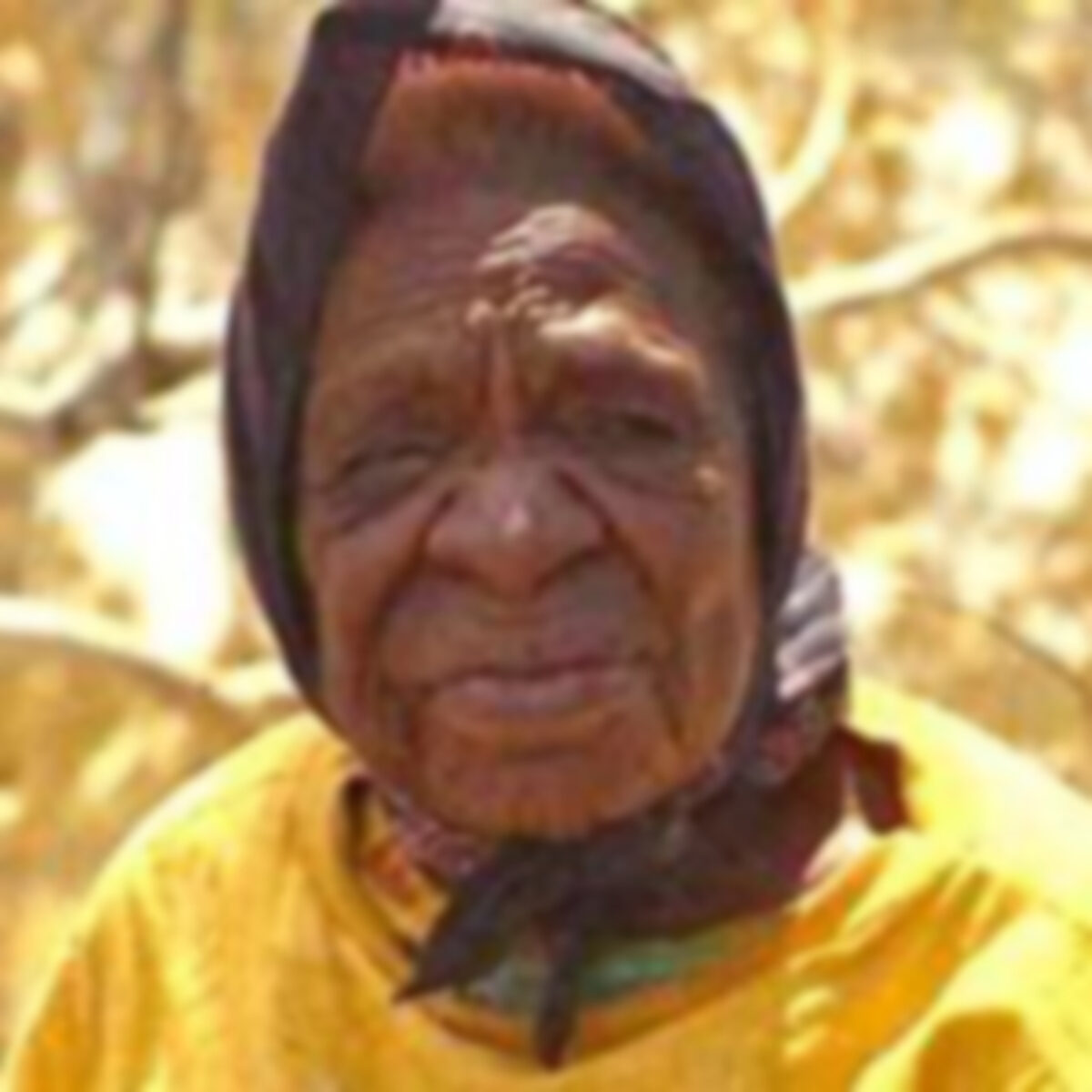
An older woman with dark skin tone wears an eggplant-colored scarf around her head and a yellow shirt squinting at the camera.

Photo by Tara Ebes

1910 to 1996

Kngwarreye began painting on canvas in her late seventies after decades of ritual artistic activity and batik fabric painting. Unlike most desert painters at the time, Kngwarreye did not use stylized representations of animal tracks or concentric circles in her designs. Instead, she employed richly layered brushstrokes or dabs throughout her abstract compositions. Her free handling of paint using various implements, keen sense of color, and dynamic compositions earned her international fame.

Kngwarreye was also extremely prolific, executing an estimated three thousand paintings in an eight-year period. Her work received immediate attention from critics, collectors, and fellow artists, and she was represented posthumously in the 1997 Venice Biennale.

Artist Details

  • Name

    Emily Kame Kngwarreye
  • Birth

    Alhalkere, Australia, 1910
  • Death

    Alice Springs, Australia, 1996
  • Phonetic Spelling

    EHM-ih-lee kuhm koom-WAH-ree
  • NMWA Exhibitions

    • Trove: The Collection in Depth, 2011
    • Dreaming Their Way: Australian Aboriginal Women Painters, 2006