


Growing up amid the chaos and glamour of old Hollywood, where her mother acted in silent films, Ruth Orkin (b. 1921, Boston; d. 1986, New York City) encountered the film industry at an early age. As early as 10 years old, she explored the world through her camera, and she was developing her own photographs by age 12. Her ever-increasing passion for photography fueled adventures around the globe, as she documented life as she saw it. Now celebrated as a foundational figure in the history of photography, Orkin played a significant role in the rise of photojournalism in the mid-20th century.
Ruth Orkin: Women on the Move, drawn from the museum’s collection of works by Orkin, explores the experience of women in public spaces, the artist’s own life, and her artful inversion of the “male gaze.” Featured photographs range from glamour shots of Hollywood celebrities to scenes from everyday life. Collectively, they convey a rich and engaging vision of women’s experiences during midcentury America.
Women in Public Spaces
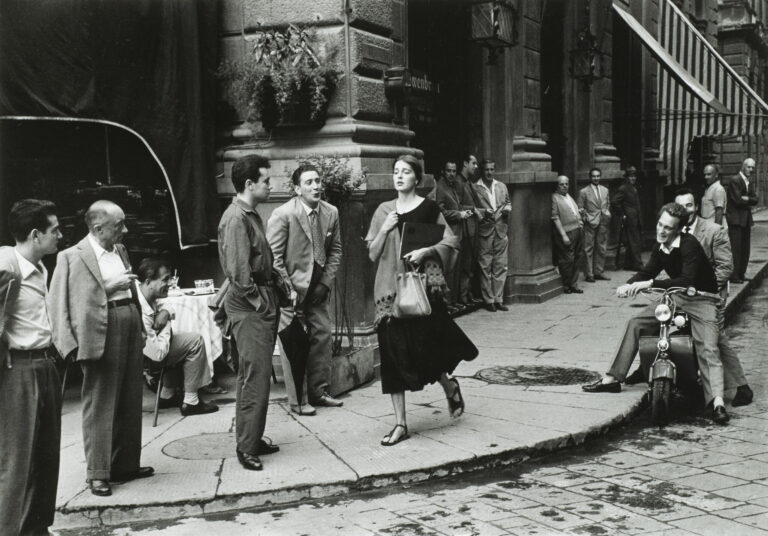
Orkin possessed unwavering confidence, which she also depicted in her female subjects. American Girl in Italy (1951) depicts Ninalee Craig, an American art student whom Orkin met while traveling in Florence. The two bonded over their experiences as women travelers, so Orkin proposed that they explore the city and document the day. In this image, Craig pulls her shawl over her shoulders and holds her head high, exuding strength despite harassment from the men around her. Orkin pitched the photograph, along with others, to Cosmopolitan magazine, where they were used for an article that encouraged young women to set aside their fears and embark on solo journeys.
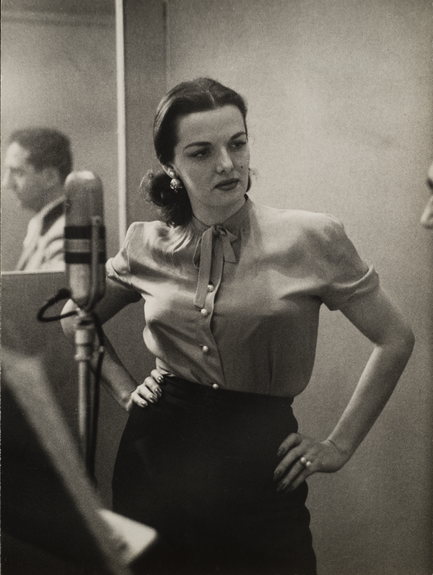
In the image Actress Jane Russell at NY Recording Studio (1950), the film star and model oozes confidence as she stands with her hands on her hips, her gaze toward another figure who is barely in frame. This off-screen depiction of Russell—at the time one of the most famous women in Hollywood—illuminates the self-assurance that led to her success.
The Artist’s Story
In her teenage years, Orkin was eager to see the world. At 17, she embarked on a solo cross-country trip to photograph the 1939 World’s Fair in New York City. With just a camera, $25, and her bicycle, Orkin spent three months exploring cities across the U.S., garnering the attention of numerous newspapers along the way.
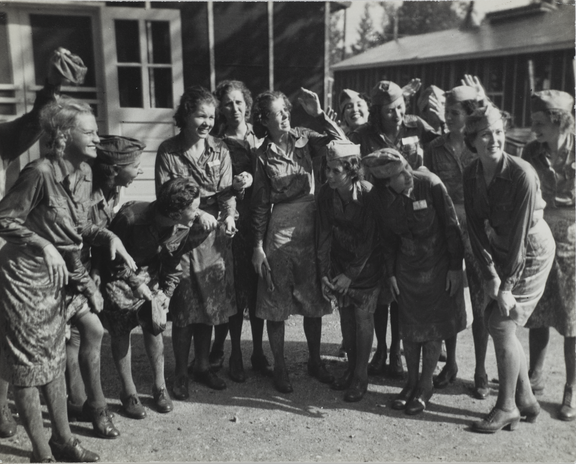
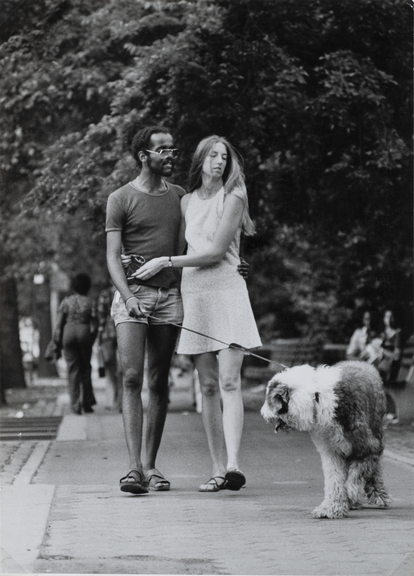
Throughout her extensive travels, she documented those around her. Photographs such as WAAC Platoon, Monticello, Arkansas (1943) reflect her time in the Women’s Army Auxiliary Corps, while other bodies of work document the several months she spent in Israel on assignment from Life magazine or her five-month trip across Europe capturing outstanding landscapes and architecture. Later in life, she lived in New York City, where candid shots including Couple in Central Park West, NYC (ca. late 1970s) offer insight into her years as a New Yorker.
The Female Gaze
The “male gaze,” a term popularized by feminist film theorist Laura Mulvey, refers to the objectifying lens through which women are often depicted in media. Orkin believed that identity—and in particular her identity as a woman photographer—shapes perceptions.
Many of Orkin’s works originate from the female gaze. Her photographs offer a perspective on womanhood that is fueled by admiration and empathy instead of objectification. Mother and Baby (1950s) is an intimate image of a woman breastfeeding her child, an act rarely depicted in media during its time. Other photographs by Orkin depict moments within female relationships and families, illuminating experiences long ignored. During a time when gender roles were strict and women lacked certain rights and privileges, many worked to break down barriers and challenge norms. Ruth Orkin’s legacy in photography underscores her own independence and provides a fresh look into the lives of midcentury women.
Ruth Orkin: Women on the Move is on view through March 29, 2026.