

Impress your friends with facts about five NMWA collection artists whose work is on view in Making Their Mark: Works from the Shah Garg Collection through July 26, 2026.
1. Etel Adnan
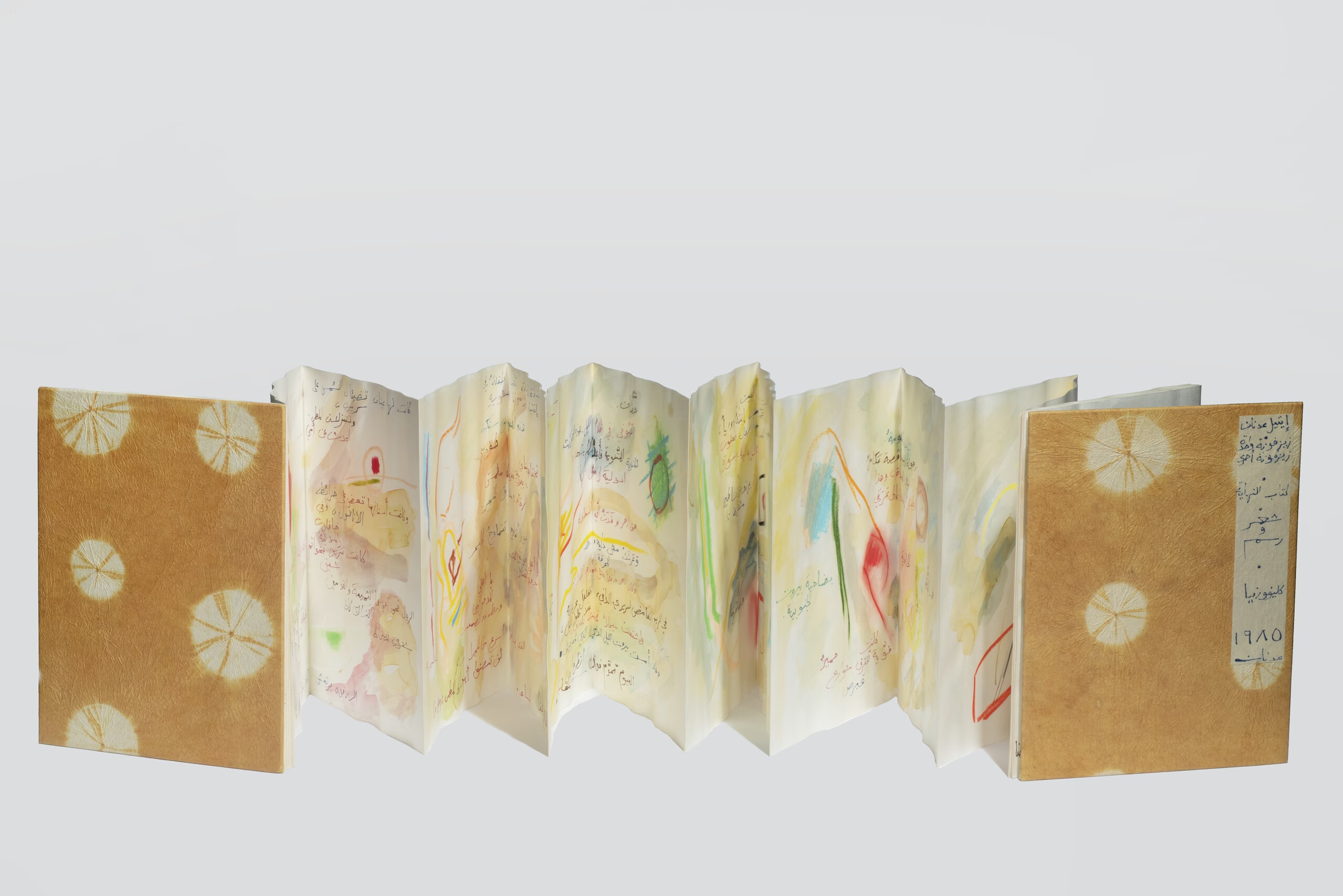
The work of artist Etel Adnan (1925–2021) feels intimate, like one-on-one conversations between the artist and viewer. Her untitled landscape painting (2014) in Making Their Mark is small, measuring just 14 by 18 inches, and invites viewers to come close. One Linden Tree, Then Another Linden Tree (1985), her artist’s book in NMWA’s collection, requires viewers to physically engage by holding and unfolding it.
2. Samia Halaby
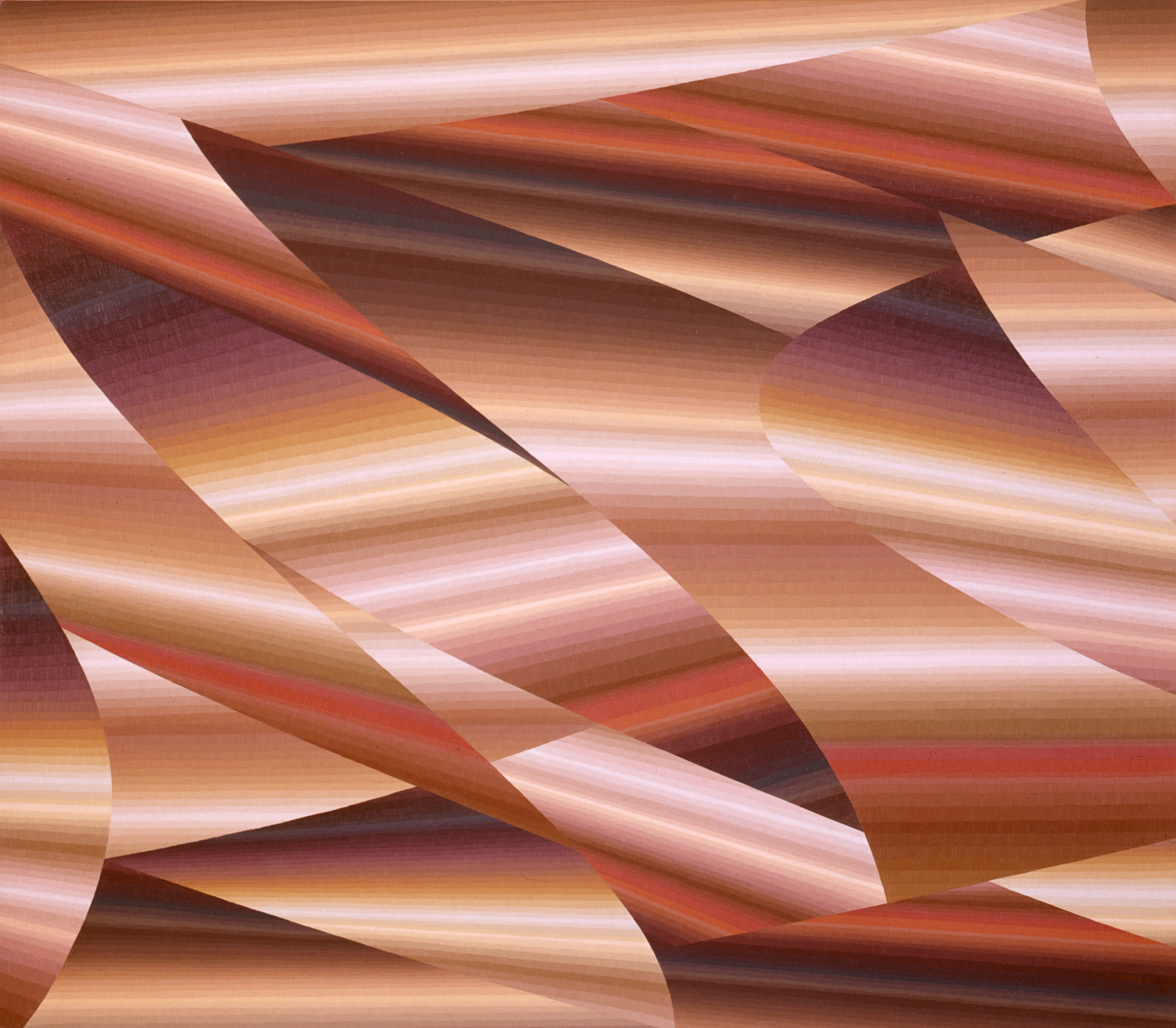
The ways that light interacts with colors, materials, and surfaces guide the abstract explorations of Palestinian artist and activist Samia Halaby (b. 1936). Her fascination with metals, in particular, led to works such as Trees (1974), part of NMWA’s collection. Halaby is also an innovator in digital art; in the 1980’s she taught herself coding and developed her kinetic paintings.
3. Julie Mehretu
Ethiopian American artist Julie Mehretu (b. 1970) uses abstraction to explore geopolitical topics. She layers paint onto digitally manipulated images, including maps, architectural plans, and photographs of places such as immigration detention centers. Mehretu doesn’t always reveal the locations in the source images. “It’s more that this information is part of the DNA of the painting—the information that informs your understanding of it,” she explains.
4. Miriam Schapiro
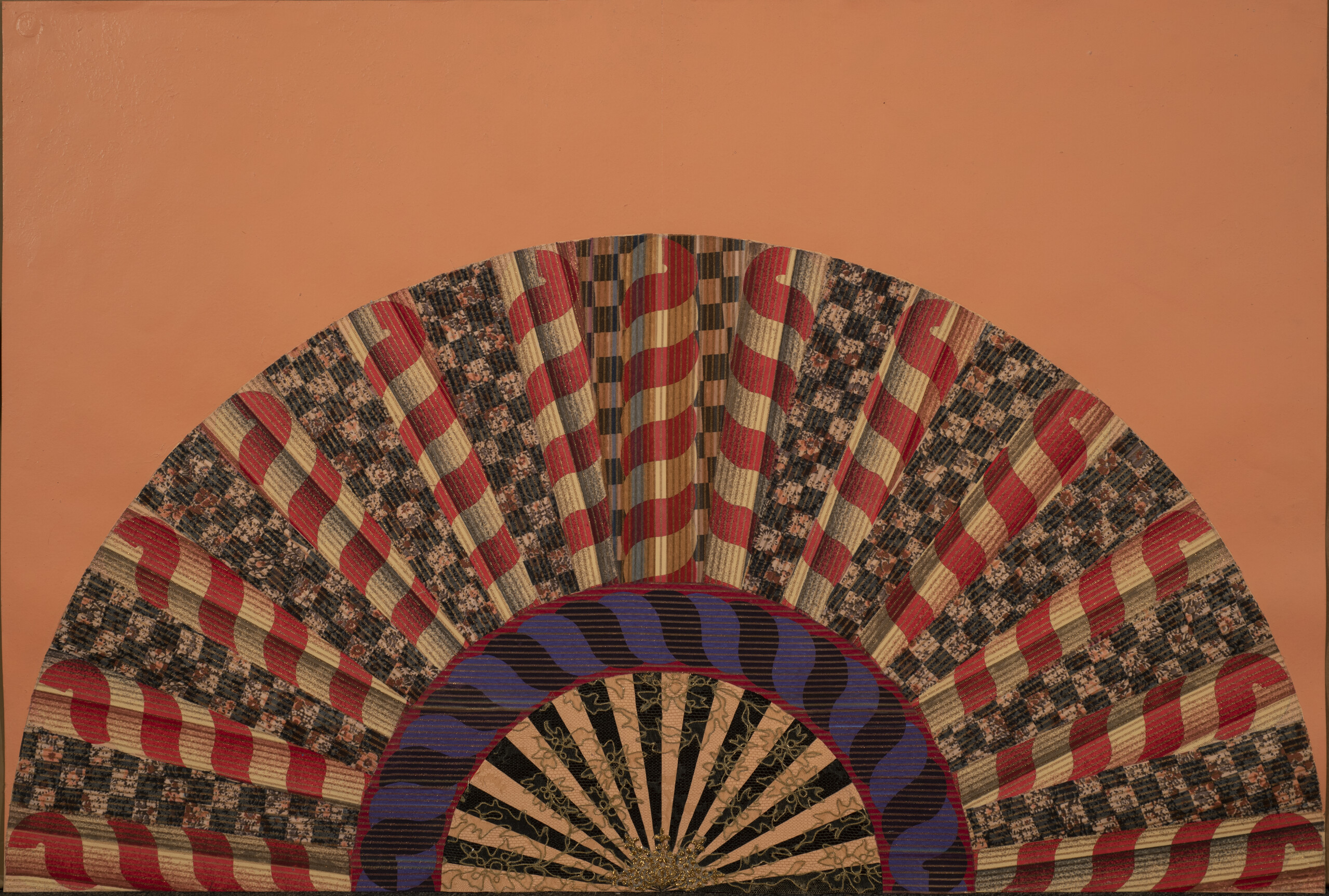
Miriam Schapiro (1923–2015) often merged Feminist art ideals with a Pattern and Decoration movement aesthetic. In the 1970s, she created multimedia works inspired by handheld fans, including Double Rose (1978) in Making Their Mark and Mechano/Flower Fan (1979), part of NMWA’s collection. These large-scale “femmages” incorporate bold patterns and color, claiming space and attention. For Schapiro, fans “reveal the unfolding of woman’s consciousness.”
5. Pat Steir
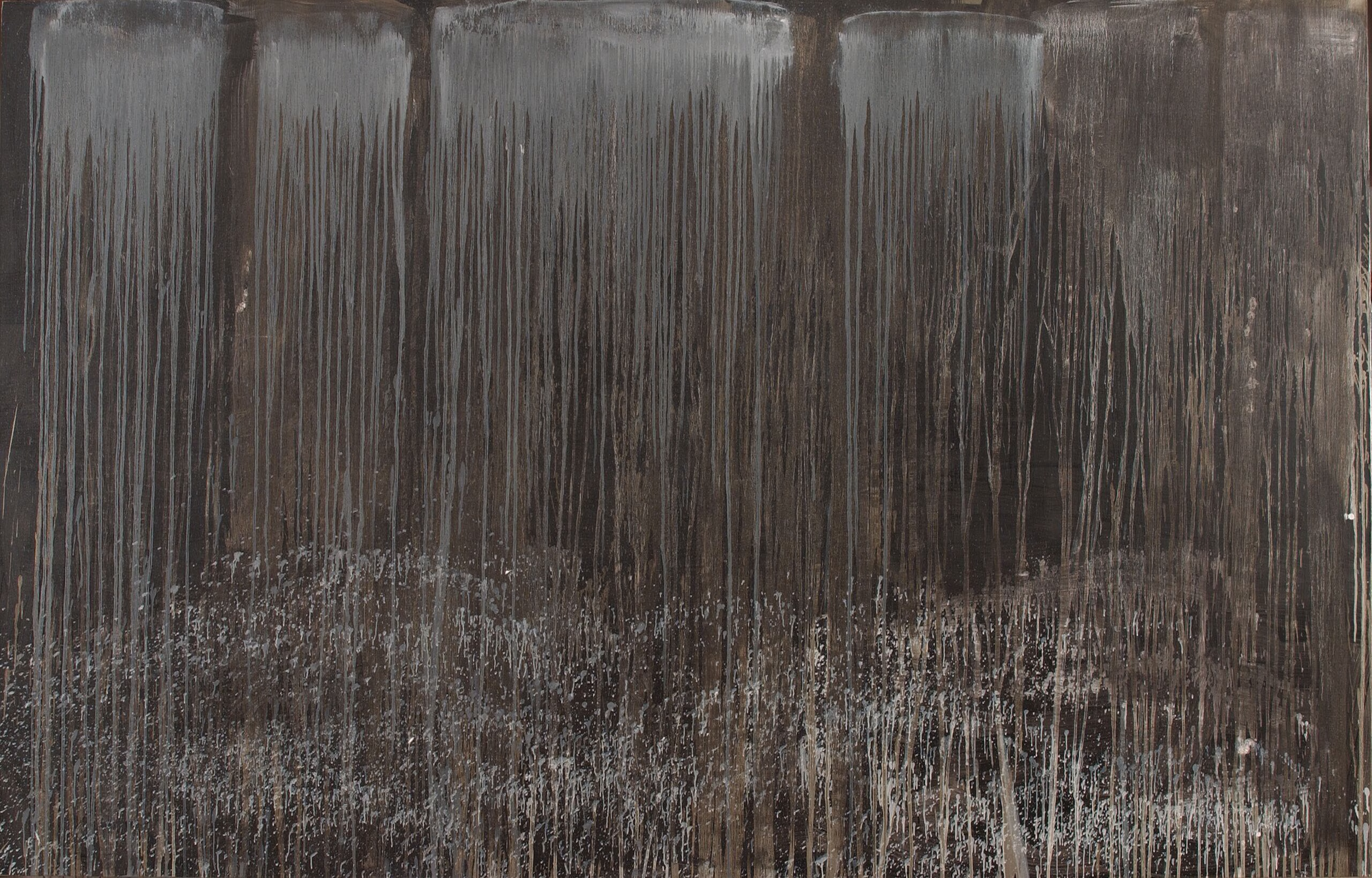
Though her signature abstractions, such as Waterfall of a Misty Dawn (1990), are not overtly political, Pat Steir (1938–2026) embraced the feminist movement, feeling “compelled to participate to save myself.” In 1976, Steir joined artists Harmony Hammond (b. 1944), May Stevens (1924–2019), and others to establish the Heresies Collective, which examined art from a feminist and political perspective and produced a quarterly publication centered on feminism, politics, and art.
Want to learn more? Visit Making Their Mark: Works from the Shah Garg Collection through July 26, 2026, and buy the accompanying book, Making Their Mark: Art by Women in the Shah Garg Collection, from NMWA’s Museum Shop.