


Celebrate the spring equinox and Nowruz, the Persian New Year, with facts about five NMWA collection artists whose work is rooted in Persian traditions and experiences. Nowruz is a time of gathering, celebration, and renewal, and we invite you to learn about these artists and their powerful work.
1. Golnar Adili
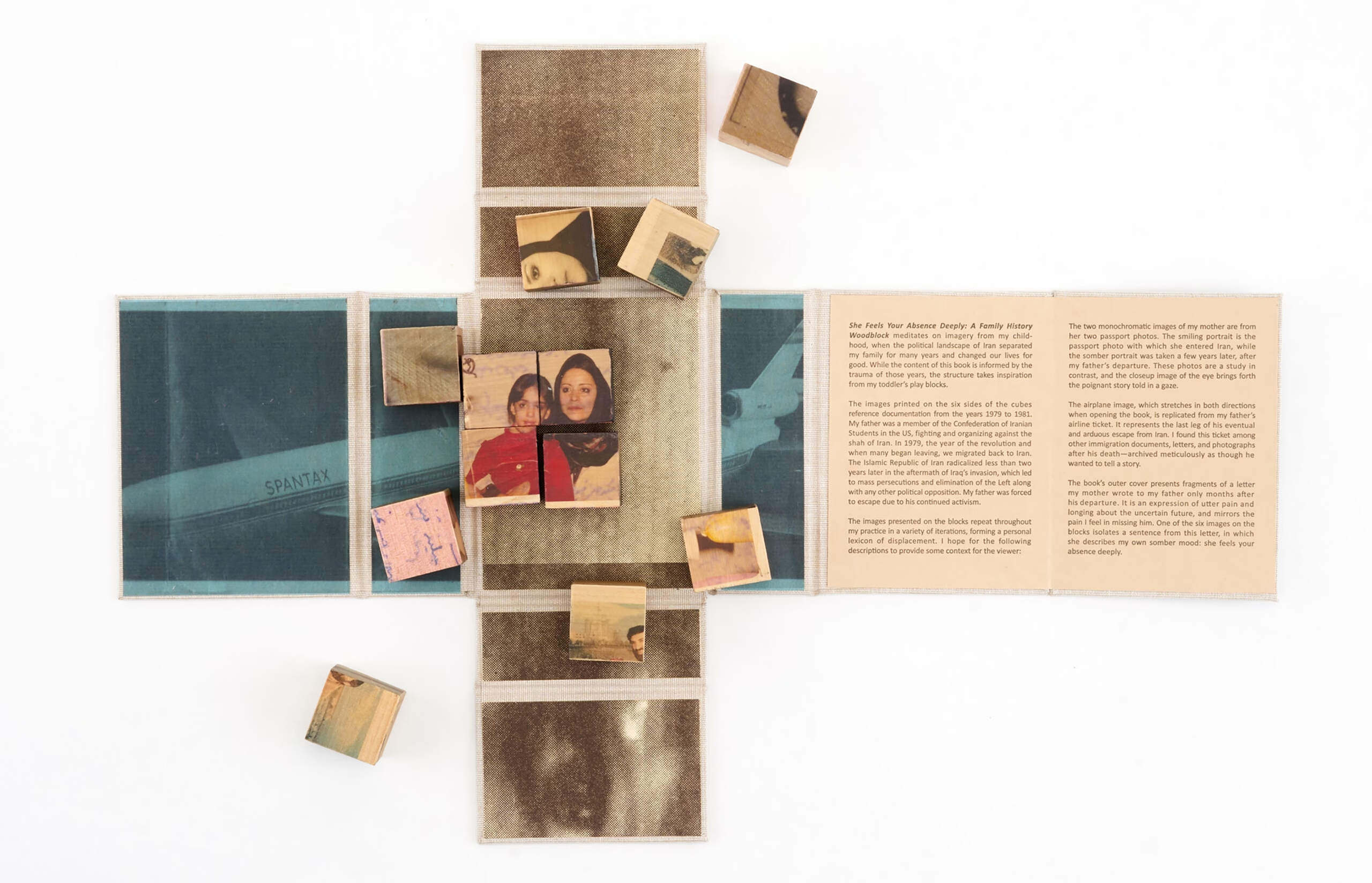
Book artist Golnar Adili (b. 1976) said, “I work a lot with paper-based materials because I have a love for it, but also because it’s readily available [and] doesn’t make a huge mess.” Adili, who was born in Virginia and grew up in Tehran, uses archival materials to explore her family’s experience of displacement.
2. Ambreen Butt
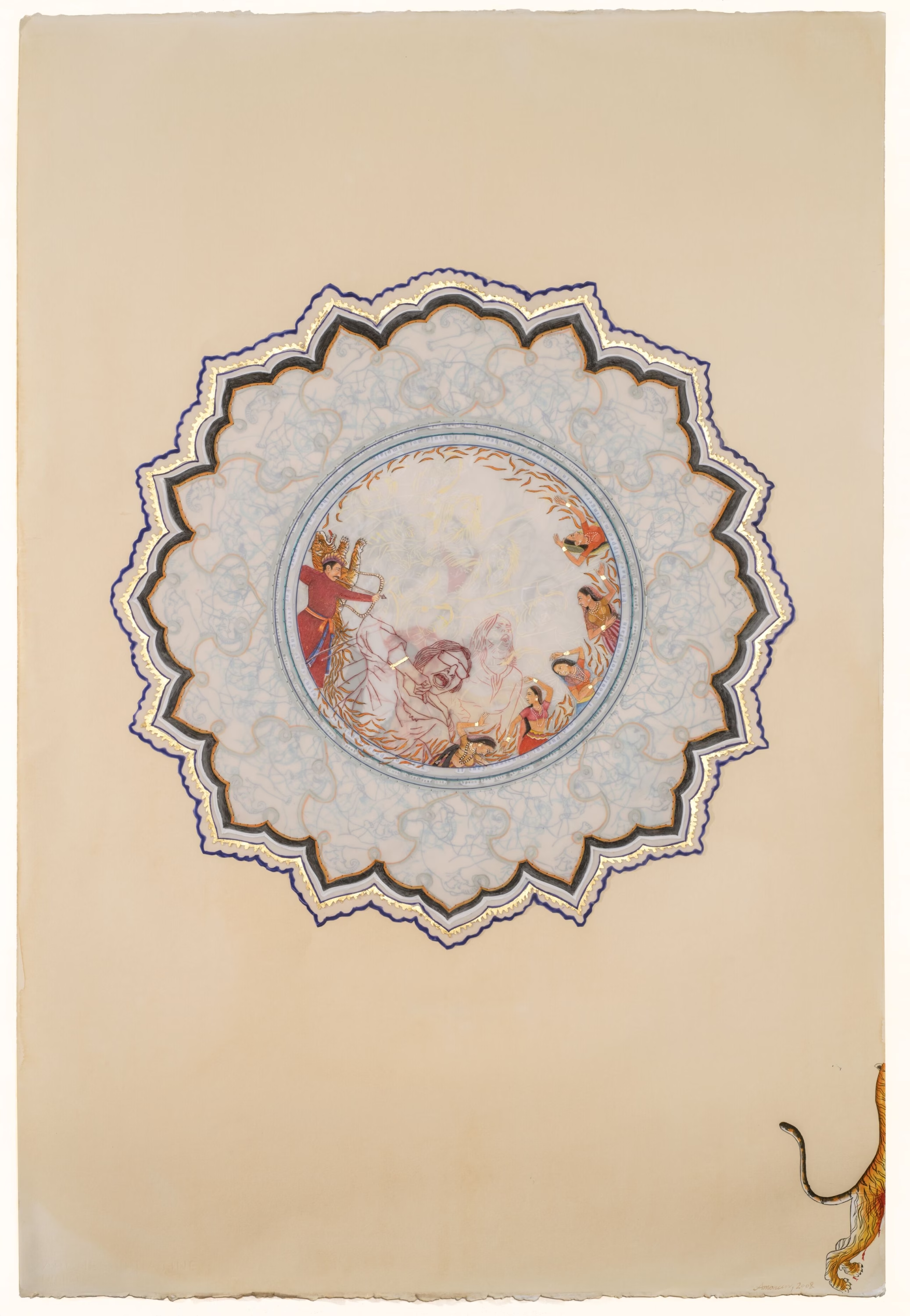
Formally trained in Indian and Persian miniature painting, Pakistani American artist Ambreen Butt (b.1969) uses many techniques in her work, including drawing, stitching, staining, etching, and gluing. Her works are highly detailed and labor intensive, a practice she says reflects the unseen labor of women in everyday life.
3. Shirin Neshat
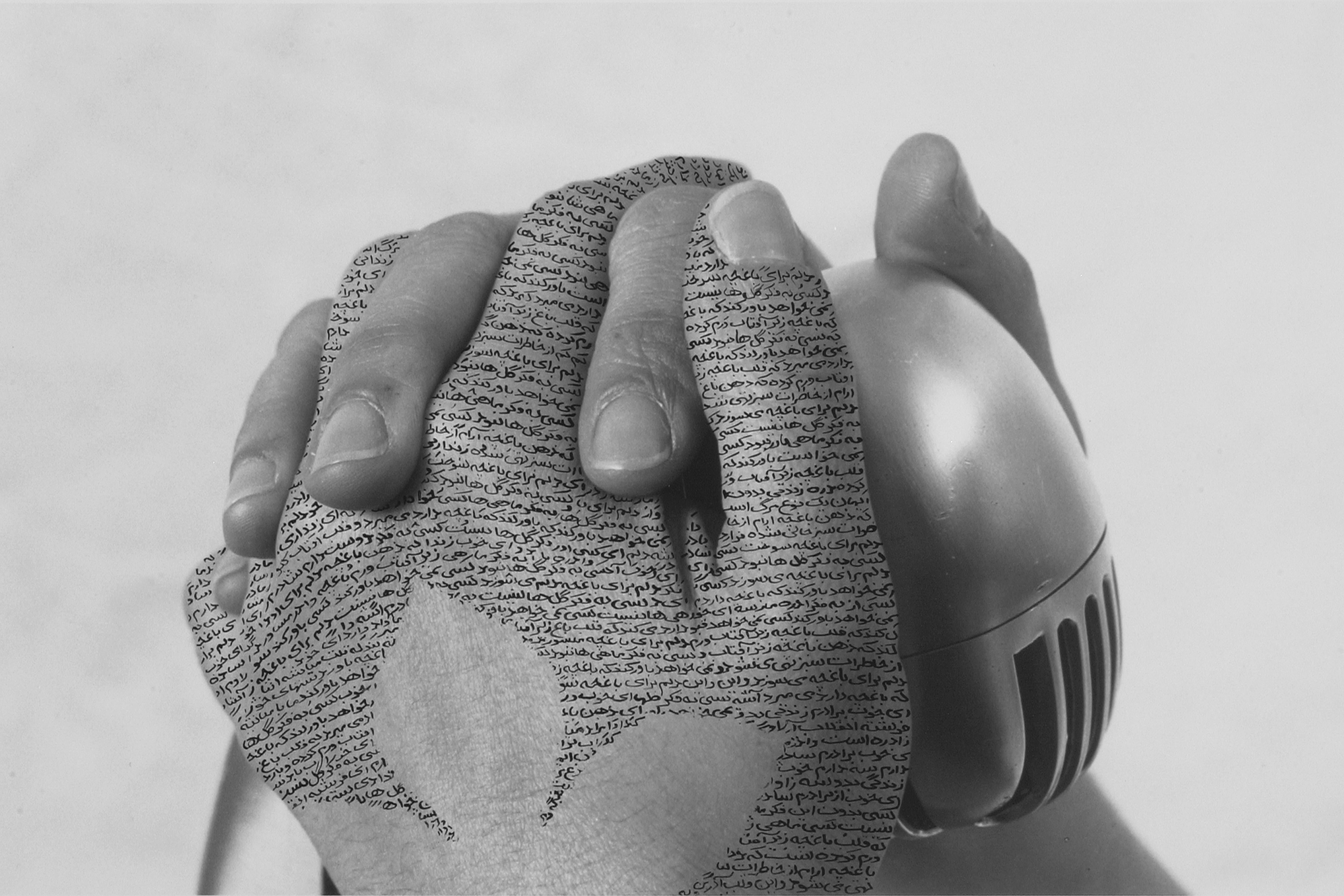
Photographer and video artist Shirin Neshat (b. 1957) often incorporates Farsi calligraphy into her images. She uses the text, usually by women writers and poets, inscribed over her photographs as a veil, covering exposed hands and faces. More recently, Neshat has turned her creative eye to directing feature films and operas.
4. Sheida Soleimani
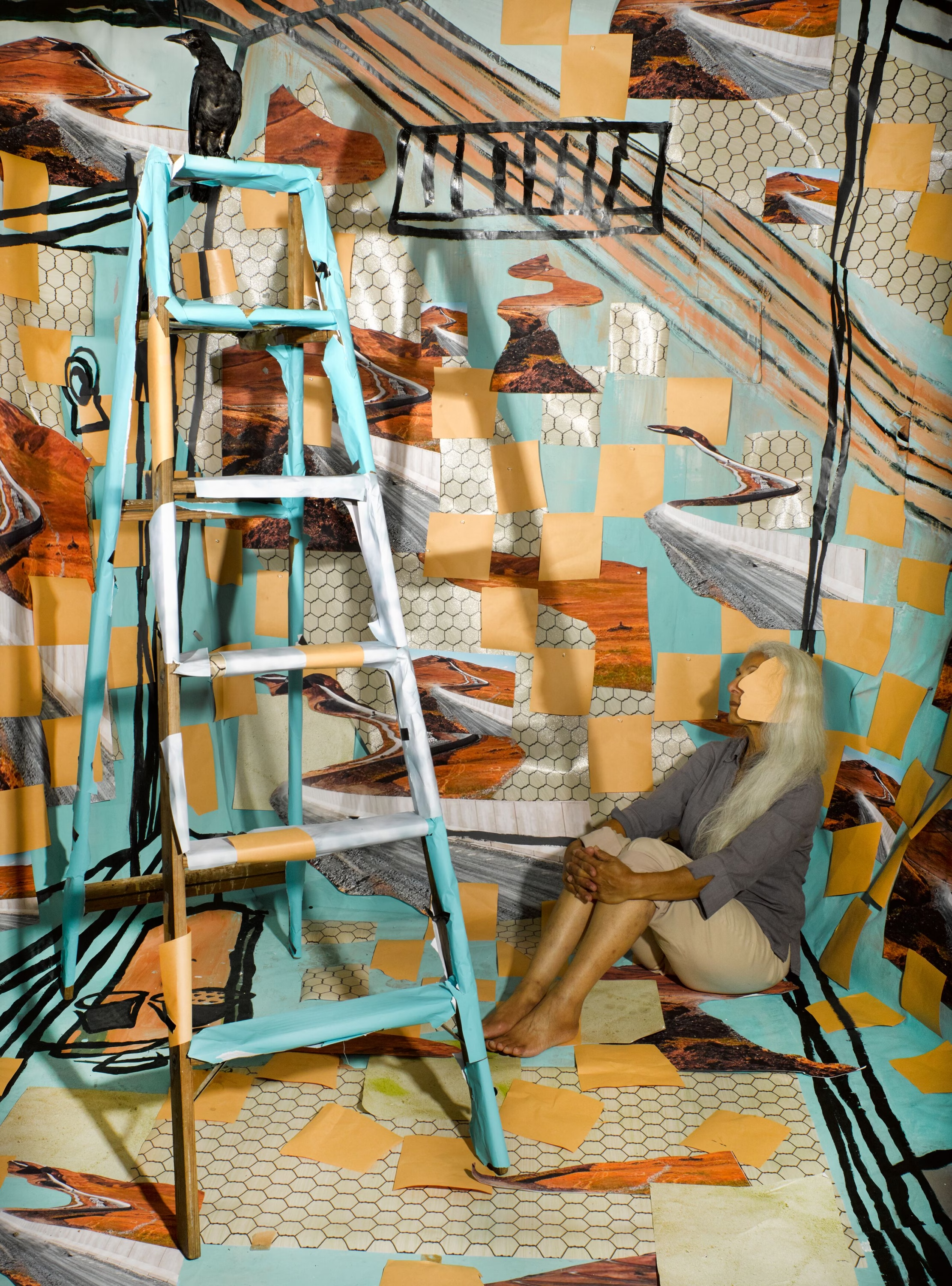
Multihyphenate Sheida Soleimani (b. 1990) is an artist, professor, and bird rehabilitator. She learned how to care for birds from her mother, whose experience as a political refugee escaping Iran during the Iranian Revolution has been a source of inspiration for Soleimani’s artwork. Soleimani founded and directs the nonprofit Congress of the Birds.
5. Newsha Tavakolian
Newsha Tavakolian (b. 1981) is a self-taught photographer who began her career as a photojournalist for Iranian press at age 16. Over time she found that she could not express herself as freely as she wanted to. In her words, “When they keep you from breathing through your nose, you open your mouth to breathe. For me, art photography was necessary to be able to breathe again.”