
July is Disability Pride Month! The month marks the signing of the Americans with Disabilities Act on July 26, 1990, and provides an opportunity to celebrate the cultural, creative, and political perspectives of people with disabilities. Interested in learning more about disabled artists? NMWA’s Betty Boyd Dettre Library and Research Center (LRC) is a great place to start. Explore a selection of resources available in our reading room, which is open to visitors without an appointment. The LRC is open Tuesday through Friday and the first Sunday of the month, 12 pm to 4 pm.
Christine Sun Kim: Oh Me Oh My
Christine Sun Kim (b. 1980) is a Deaf artist who rethinks sound. In drawings, performances, and videos, Sun Kim mixes American Sign Language and written English to visually represent audio. She is particularly known for her charcoal infographics, which humorously demonstrate the differences and tensions between the hearing world and the Deaf community.
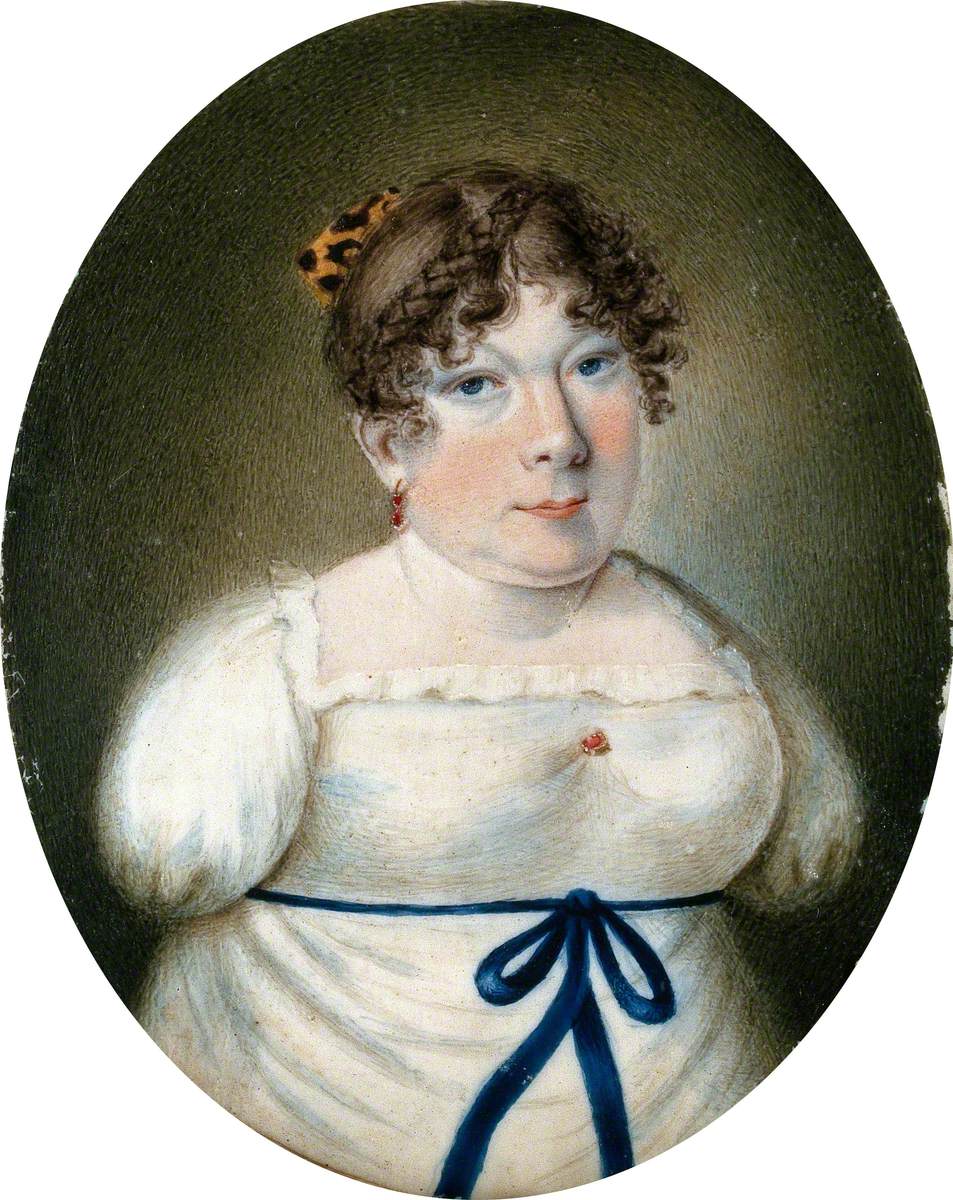
Without Hands: The Art of Sarah Biffin (2022)
Sarah Biffin (1784 to 1850) was a renowned British portrait artist and miniaturist who was born without arms or legs. While apprenticing with a traveling showman, Biffin taught herself to paint, write, draw, and sew with her mouth. As her talent was recognized, she began to work under royal patronage and hone her portraiture, signing many of her works with “without hands.”
Judith Scott: Bound & Unbound (2014)
Judith Scott (1943 to 2005) was a Deaf and largely mute artist with Down Syndrome. She spent more than 30 years in an institution before finding a creative community in the Creative Growth Center of Oakland, where she started making sculptural works from fiber and found materials. Scott had no artistic training and worked without models, notes, or sketches, resulting in intuitive, one-of-a-kind objects.
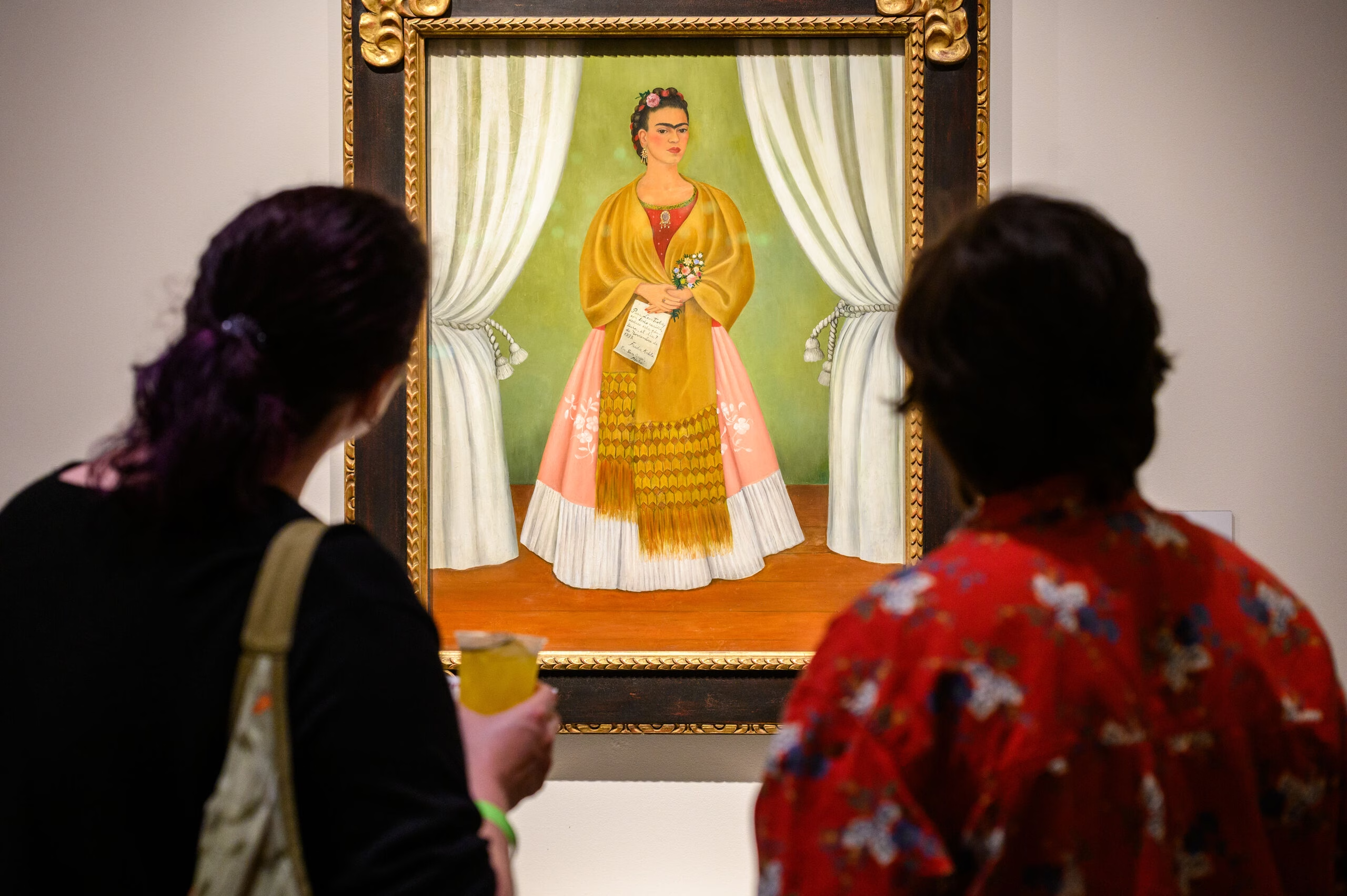
Frida Kahlo: Making Her Self Up (2018)
Mexican painter Frida Kahlo (1907 to 1954) experienced disability throughout her life after contracting polio as a child and sustaining severe injuries in a bus accident as a teenager. Chronic pain and disability became prominent themes in her work. This anthology tells Kahlo’s story through the objects she accumulated, with particular attention to her orthopedic devices and the ways her disability influenced her personal style of dress.
Hidden Agenda (2008)
Carol Chase Bjerke (1943 to 2022) developed her art project Hidden Agenda from her experience living with an ostomy following treatment for colorectal cancer. The multimedia project uses sculpture, photography, collage, and book arts to pose questions about quality of life and medicalization while making a deeply personal experience public.