

Art in Your Inbox

Love art? Let’s stay in touch. Sign up for email updates from NMWA.    

Two museum visitors observe works of art in a modern gallery.
National Museum of Women in the Arts

5 Fast Facts: Pueblo Potters

Blog Category:  5 Fast Facts
Four ceramic pots with intricate black, white, and red geometric patterns sit in a row on a white surface against a blue background. The pots feature various designs.

Impress your friends with facts about five NMWA collection artists whose work is on view in Burnished: Pueblo Pottery at NMWA through September 27.

1. Emma Lewis Mitchell
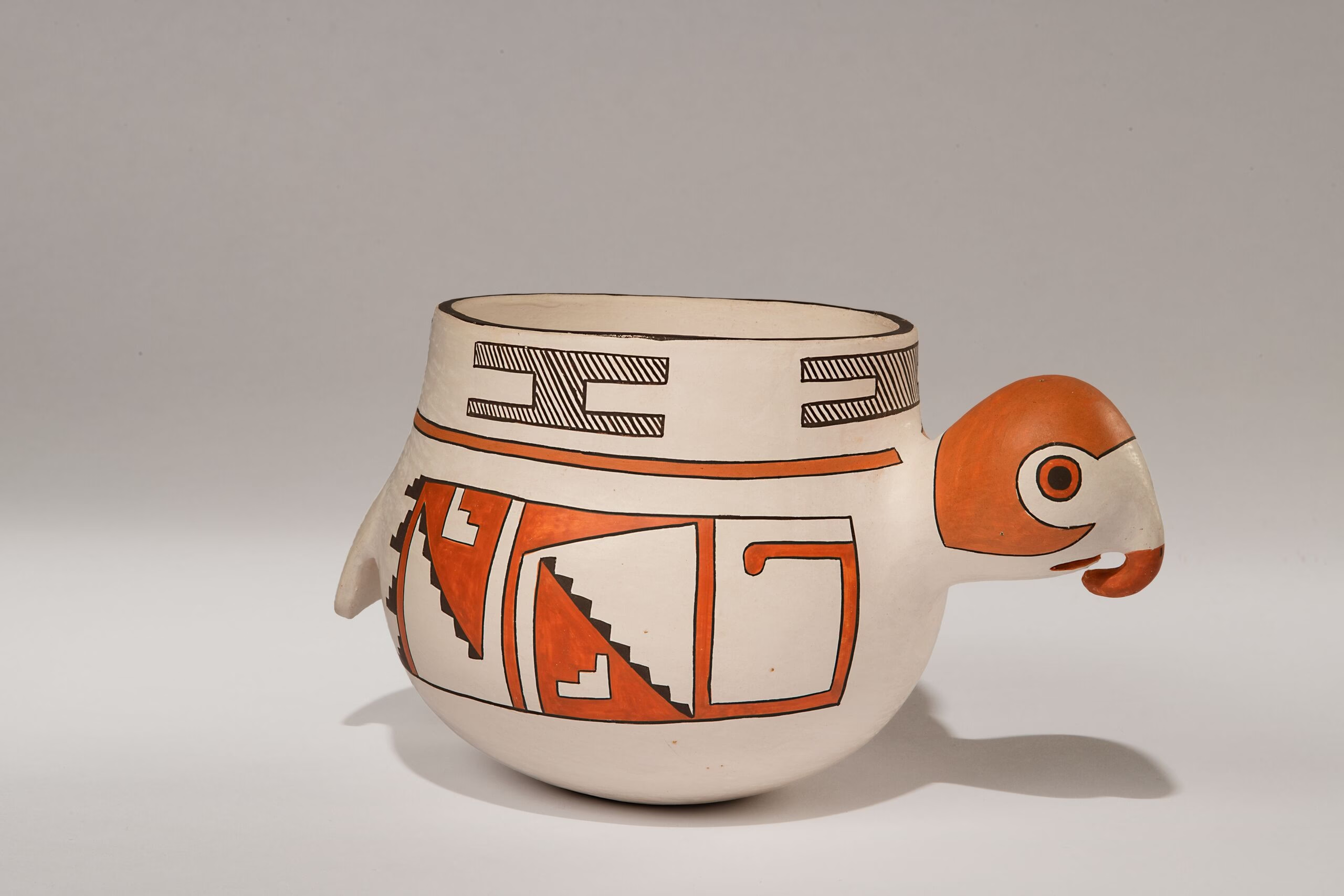
A ceramic bowl with geometric red, black, and white designs, featuring a stylized bird’s head and wing protruding from the sides.
Emma Lewis Mitchell, Parrot Bowl, n.d.; Clay and pigment, 6 1/4 x 7 1/2 in.; National Museum of Women in the Arts, Gift of Moira and Charles Geoffrion; Photo by Lee Stalsworth

Acoma Pueblo potter Emma Lewis Mitchell (1931 to 2013) learned traditional pottery techniques from her mother, Lucy M. Lewis. Mitchell gathered clay from the pueblo and coiled it into pots which she fired outdoors. She created pigments from crushed stones and decorated her vessels with intricate designs using paintbrushes made from yucca plants.

2. Lucy M. Lewis
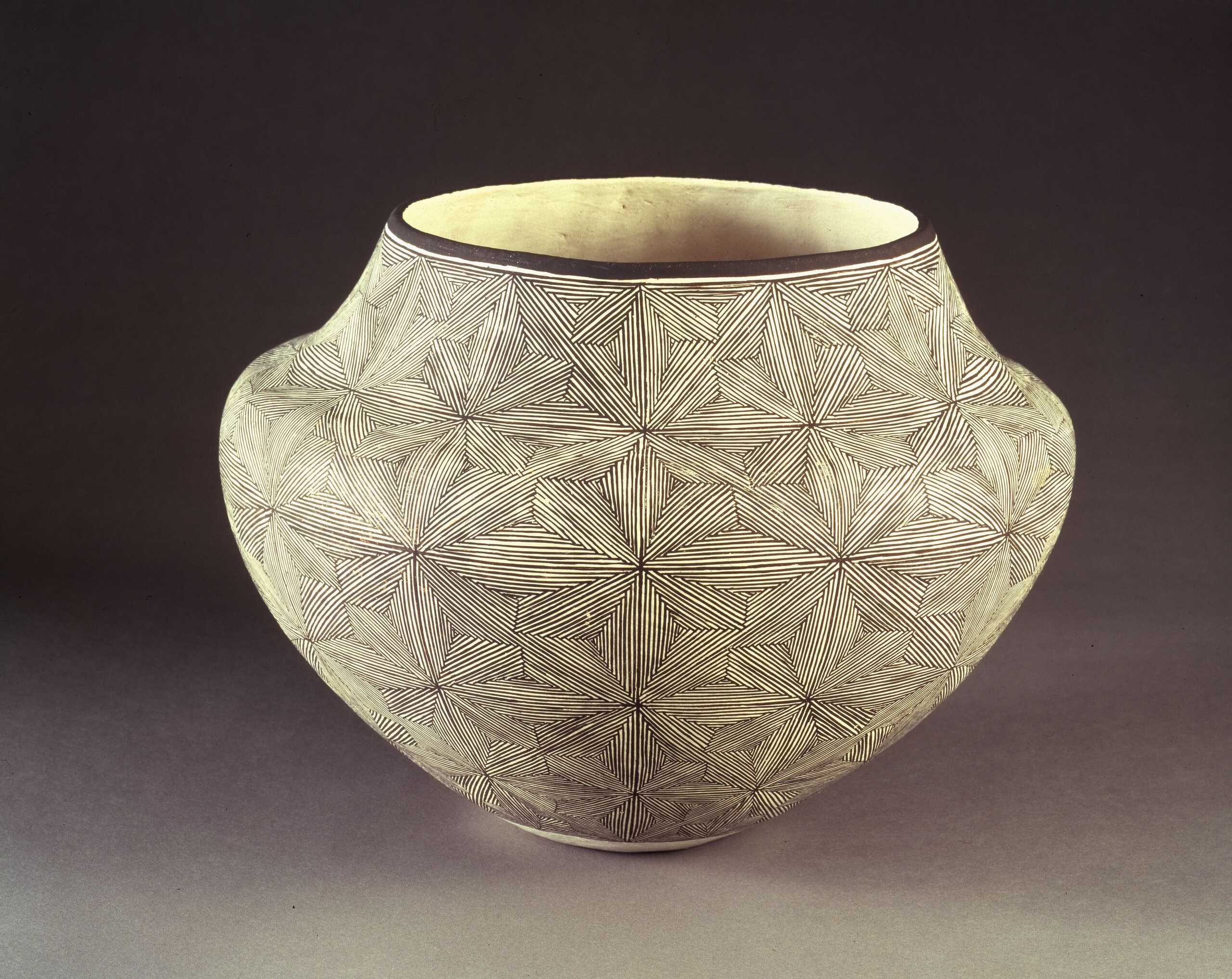
Ceramic jar, featuring a short neck and broad shoulders tapering to a narrow base, is decorated in a geometric, black and white quilt-like pattern. The matte, off-white surface is adorned with geometric, flower-like patterns created by very thin, precisely-placed black lines.
Lucy M. Lewis, Jar, 1983; Earthenware, 9 1/2 x 12 1/2 in.; National Museum of Women in the Arts, Gift of Wallace and Wilhelmina Holladay

Lucy M. Lewis (ca. 1898 to 1992) left her mark on Acoma Pueblo pottery traditions by reviving 11th-century Mimbres-style pottery, drawing inspiration from designs on ancient potsherds she found scattered around the Pueblo. To apply black geometric designs on white slip, she would adopt her “painting stance,” only moving her arm from her shoulder. 

3. LuAnn Tafoya
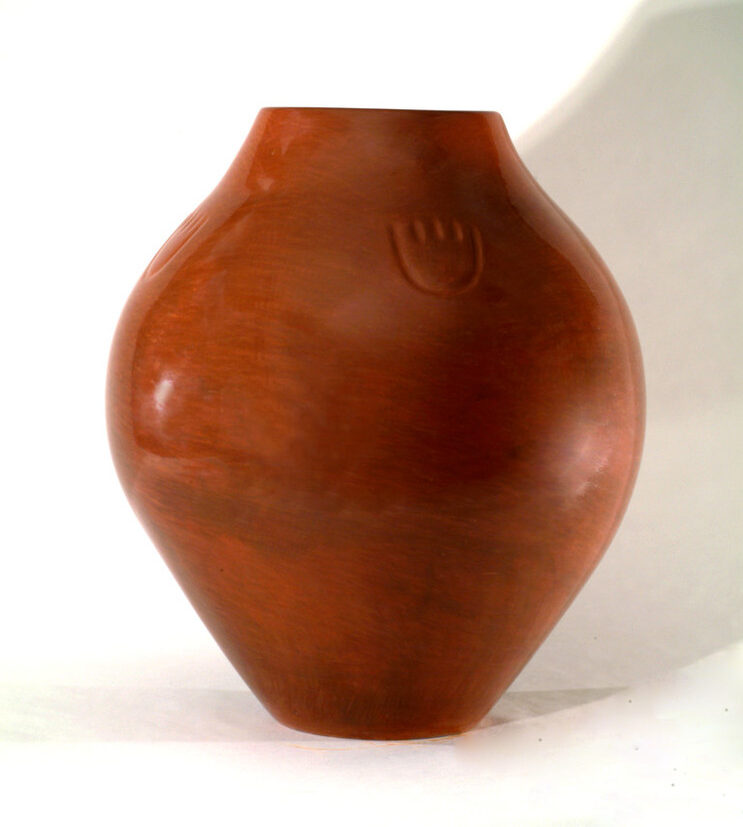
Red clay jar with a round shape that widens at its center. Its polished, warm-colored surface is decorated with a small paw print just below its top.
LuAnn Tafoya, Jar with Bear-Paw Imprints, 1996; Redware, 23 x 20 in.; National Museum of Women in the Arts, Gift of the artist; © LuAnn Tafoya; Photo by Lee Stalsworth

LuAnn Tafoya (b. 1938) learned the time-honored pottery practices of Santa Clara Pueblo from her mother, Margaret Tafoya (1904 to 2001), and grandmother, Sera Fina Tafoya (1863 to 1949). Achieving the highly reflective surfaces that distinguish Tafoya’s works is time consuming, requiring her to separately apply and burnish six or more layers of slip (liquid clay). 

4. Stephanie Tafoya
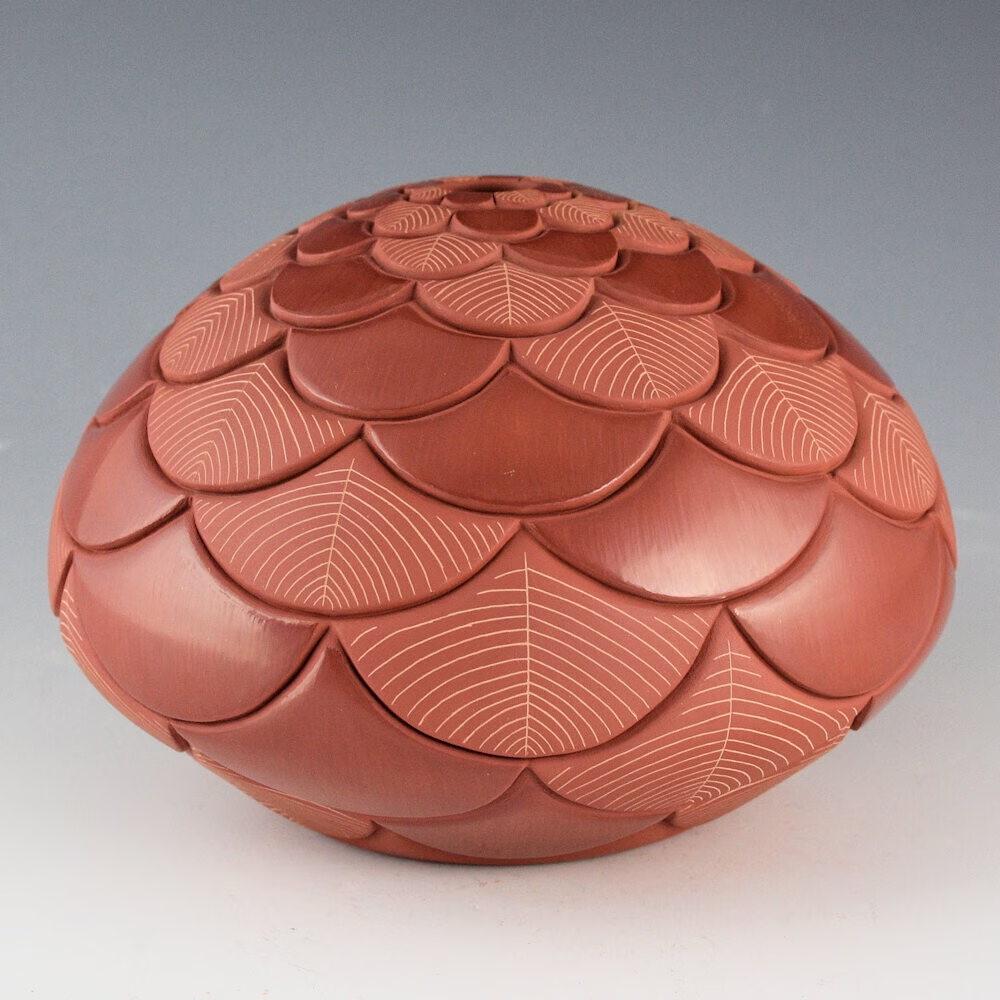
A reddish-brown ceramic vessel with a dome shape, decorated with carved overlapping petal-like scales and fine etched line patterns, creating a textured, layered appearance.
Stephanie Tafoya, Ember Embrace, 2025; Redware, 5 x 7 x 7 in.; National Museum of Women in the Arts, Bequest of Sandra A. Kruzman; © Stephanie Tafoya; Photo courtesy of King Galleries

Stephanie Tafoya (b. 1991) focused on jewelry-making before turning to pottery in her late twenties, seeking to continue her family’s multigenerational legacy. Tafoya completed a four-year mentorship with her aunt Linda Tafoya-Sanchez (b. 1962), but admits, “I think there will always be a learning curve as I try to create designs that I haven’t seen before.”

5. Nancy Youngblood
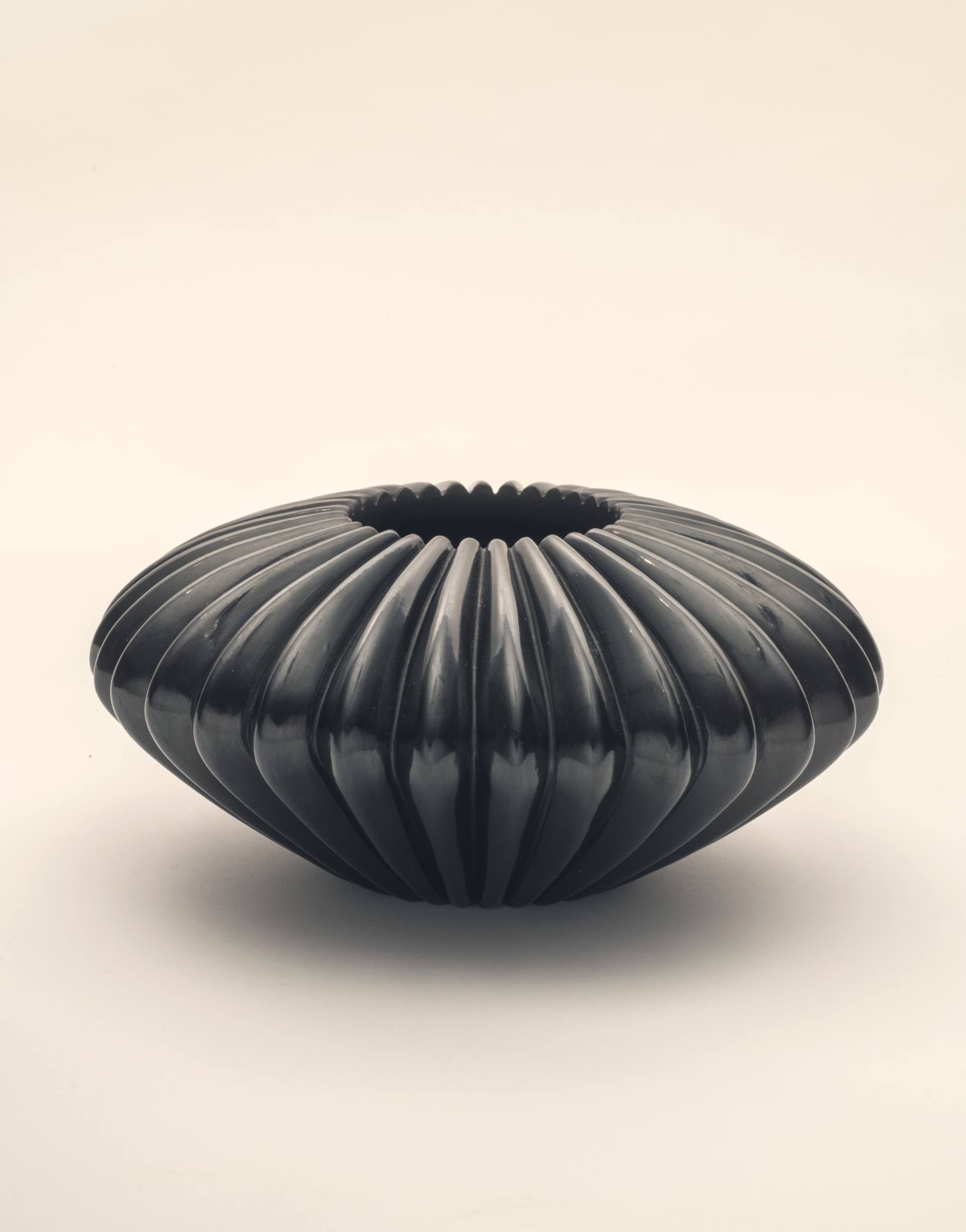
A shiny, blackware vessel with deep, equidistant grooves radiating from the center opening at the vessel’s top all the way down to its base. The vessel is squat, short and very wide, resembling a squat sphere.
Nancy Youngblood, Melon Bowl, 1997; Blackware, 4 x 8 1/2 in.; National Museum of Women in the Arts, Gift of the artist

Nancy Youngblood (b. 1955), granddaughter of Santa Clara Pueblo pottery matriarch Margaret Tafoya, began honing her craft as a teenager. Youngblood’s distinctive style involves sculpting deep grooves into her pots and polishing them to a high shine, giving them the appearance of segmented gourds and melons that thrive in the American Southwest.


Visit Burnished: Pueblo Pottery at NMWA through September 27, 2026.

Related Posts