

Ana Mendieta
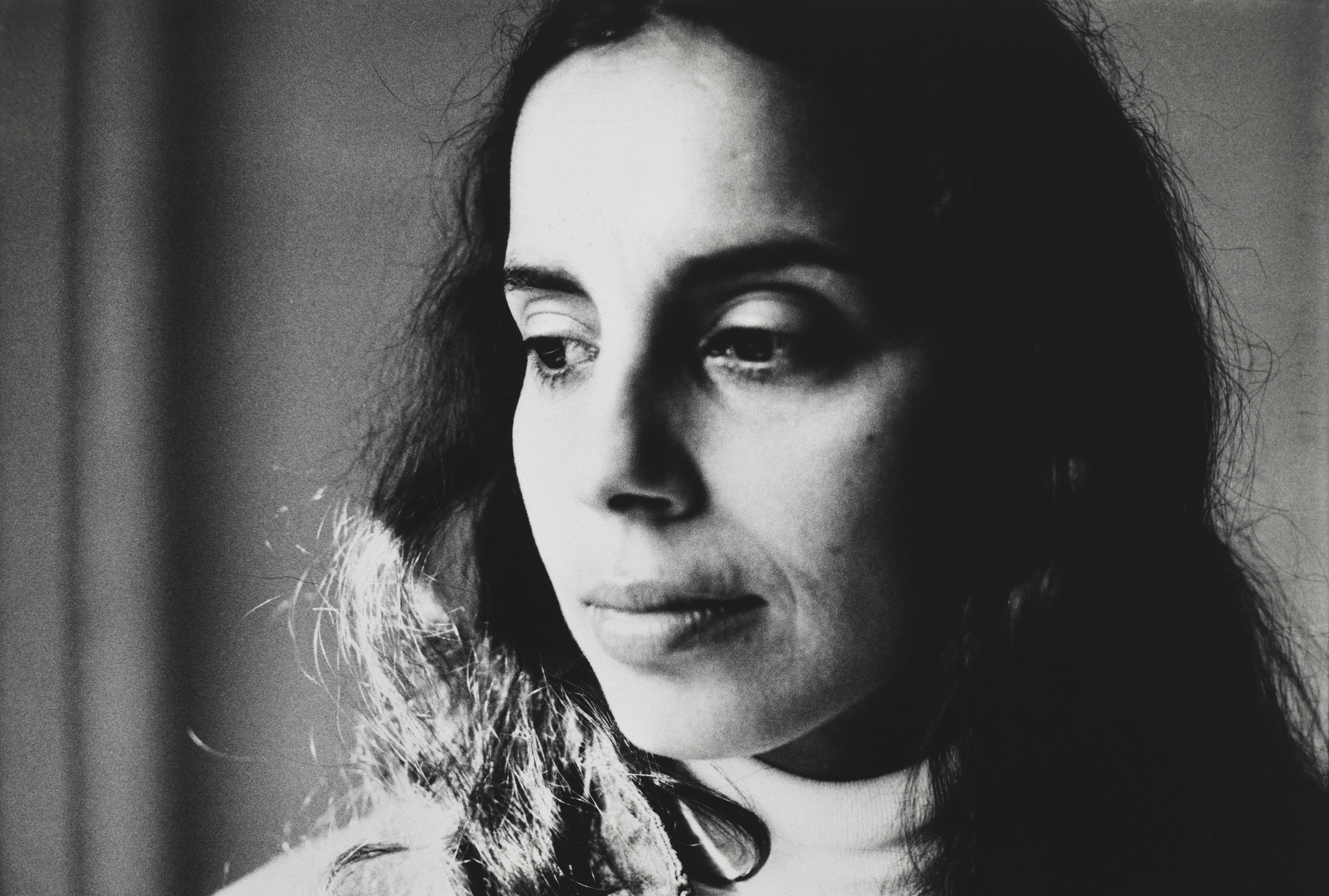
Ana Mendieta; Courtesy Marian Goodman Gallery © 2026 The Estate of Ana Mendieta Collection, LLC / Licensed by Artists Rights Society (ARS), New York
Born in Havana, sculptor and performance artist Ana Mendieta moved with her sister to the United States during the Cuban Revolution. The siblings had a tumultuous childhood, living between orphanages and foster homes, before eventually reuniting with their mother. These years of separation, combined with the experience of fleeing their birth country, produced feelings of alienation that fueled Mendieta’s art.
Mendieta completed undergraduate and graduate degrees in painting at the University of Iowa. She was also one of the first MFA students in the University of Iowa’s groundbreaking Multimedia and Video Art program. There, Mendieta began experimenting with body-centered performance art to examine themes including violence against women and the Afro-Cuban religion Santería. After moving to New York City in 1978, Mendieta received fellowships from the Guggenheim Foundation, the National Endowment for the Arts, and the American Academy in Rome, where she continued exploring new techniques and materials.
Mendieta is best known for her “earth-body” works, which use natural materials and her own body to explore humanity’s physical and spiritual connection to the earth. In the course of her career, Mendieta produced hundreds of artworks using earth as a sculptural medium. In her “Silueta” series, she carved and shaped abstract female silhouettes into earth, documenting the process through photographs and film.
Mendieta died in 1985 after falling from the window of the high-rise apartment she shared with her husband, artist Carl Andre (1935 to 2024). Andre was charged with, but ultimately acquitted of, second-degree murder. Her death, the investigation, and Andre’s acquittal remain controversial subjects in the art world and have prompted demonstrations and protests. Recognition of Mendieta’s work grew after her death through monographs and major retrospectives, and in 2009 she was posthumously awarded a Lifetime Achievement Award by the Cintas Foundation.
