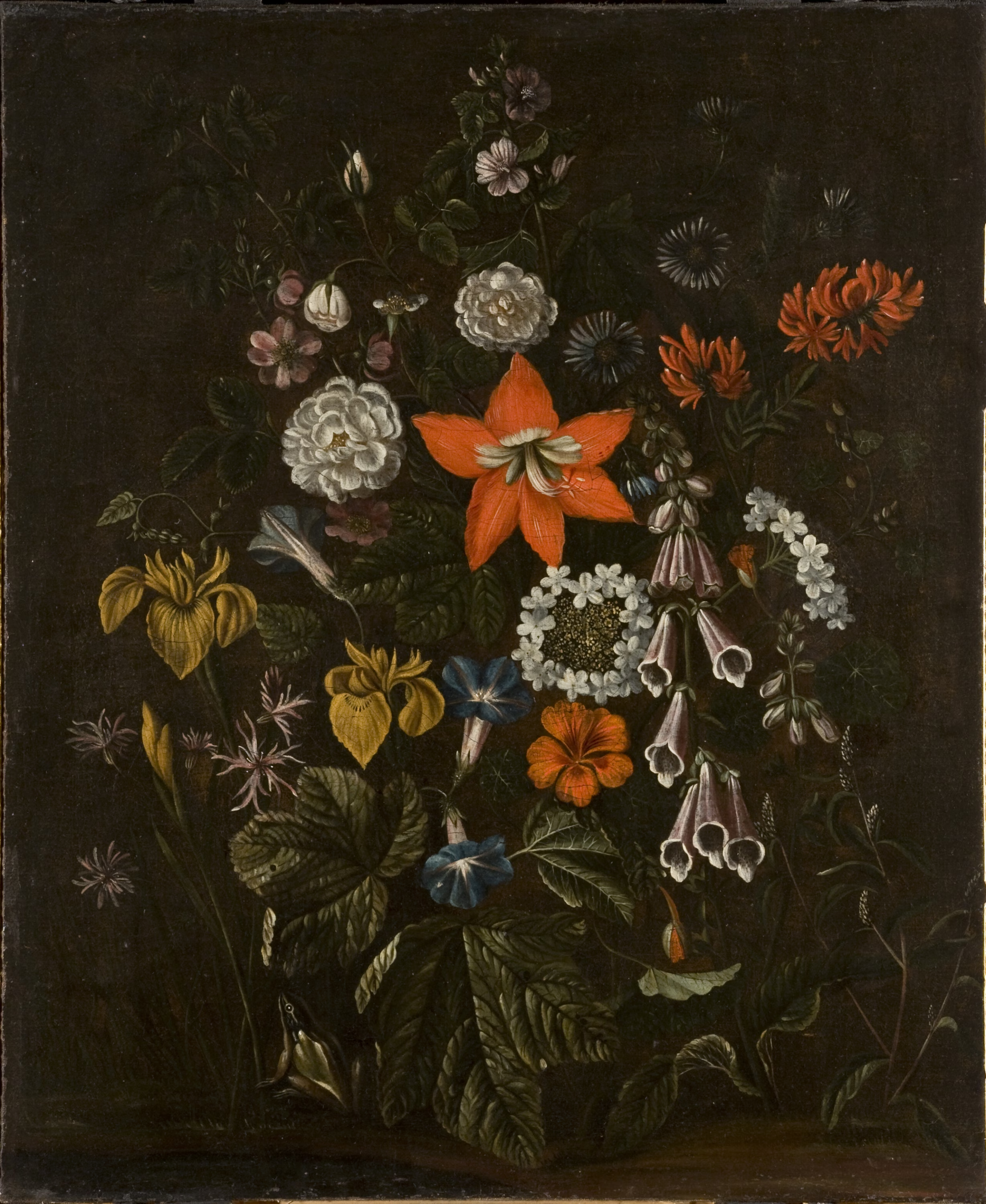


Impress your friends with facts about five artists whose work is included in Women Artists from Antwerp to Amsterdam, 1600-1750, on view through January 11, 2026.
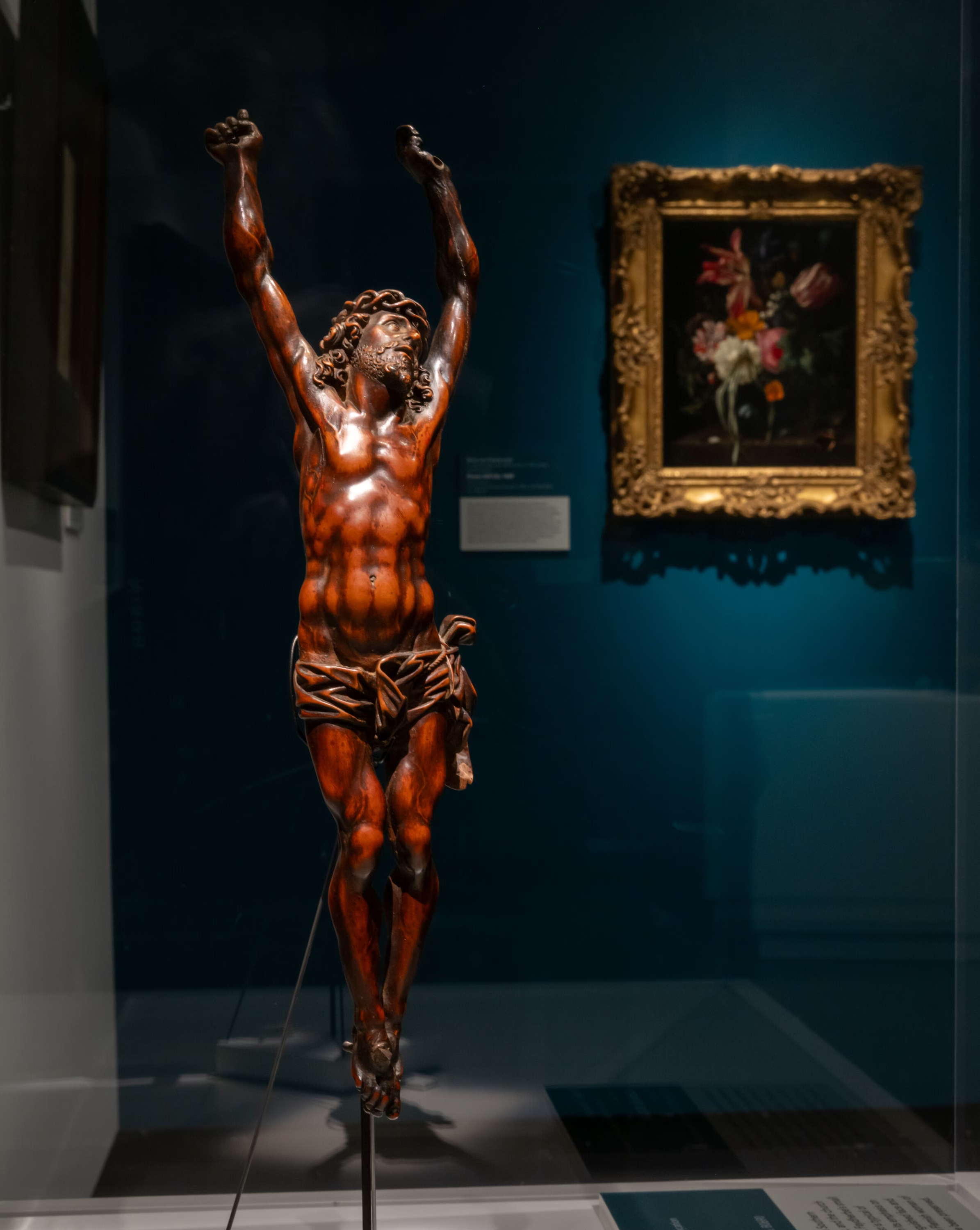
1. Maria Faydherbe
Maria Faydherbe (1587 to after 1633) didn’t suffer from imposter syndrome. She recognized her own talent and signed her sculptures so that others would too. Faydherbe ruffled feathers of male peers, who described her pride as brazen and boastful. Today her skill is cherished. Two of Faydherbe’s works are considered official Flemish Masterpieces.
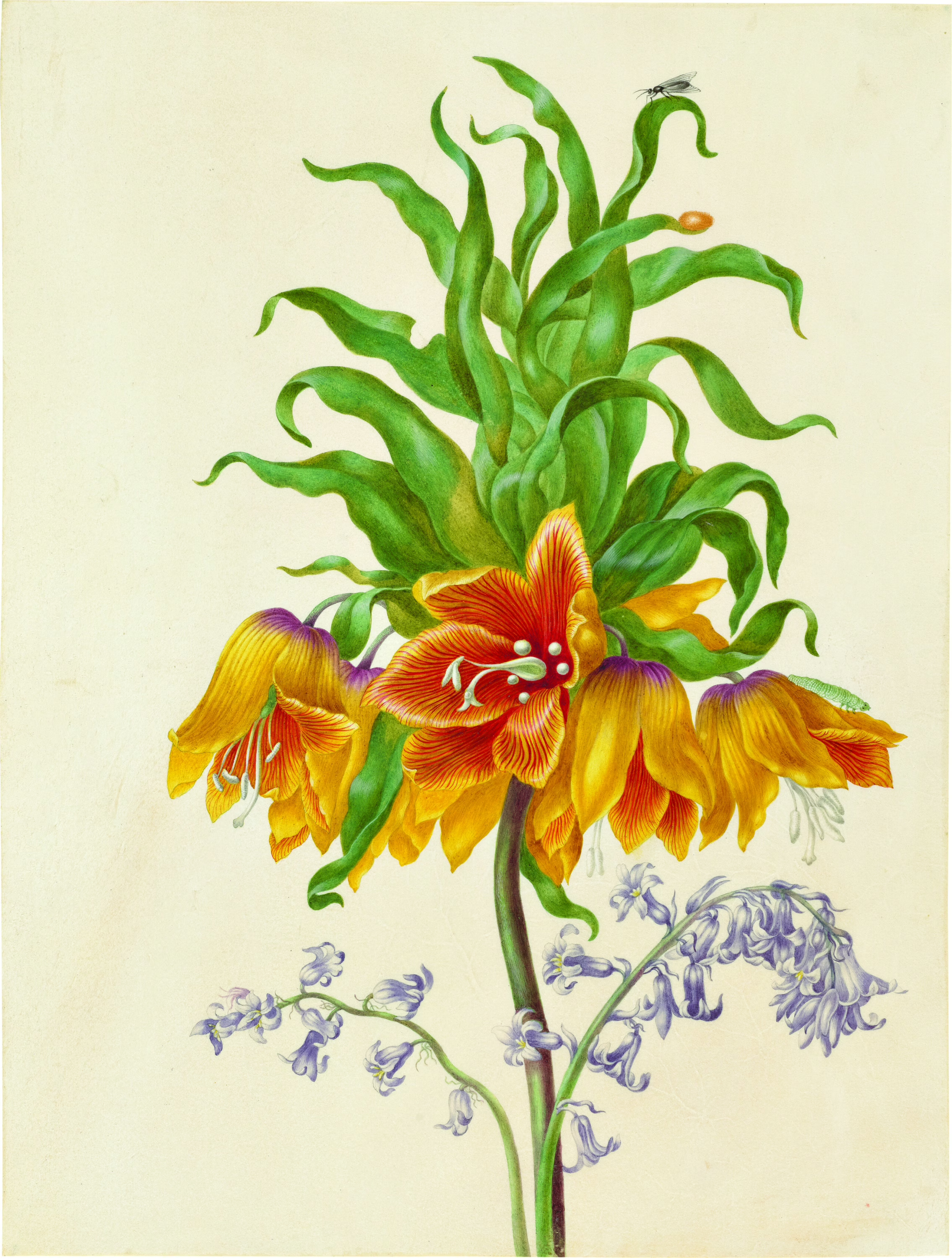
2. Johanna Helena Herolt
The elder daughter of renowned artist-scientist Maria Sibylla Merian (1647 to 1717), Johanna Helena Herolt (1668 to after 1723) achieved fame as a natural history illustrator in her own right. She contributed distinctively bold three-dimensional compositions to landmark compendiums such as the florilegium, compiled by patron and amateur botanist Agnes Block (1629 to 1704), and the Moninckx Atlas. Alida Withoos (featured below) also contributed illustrations to these projects.
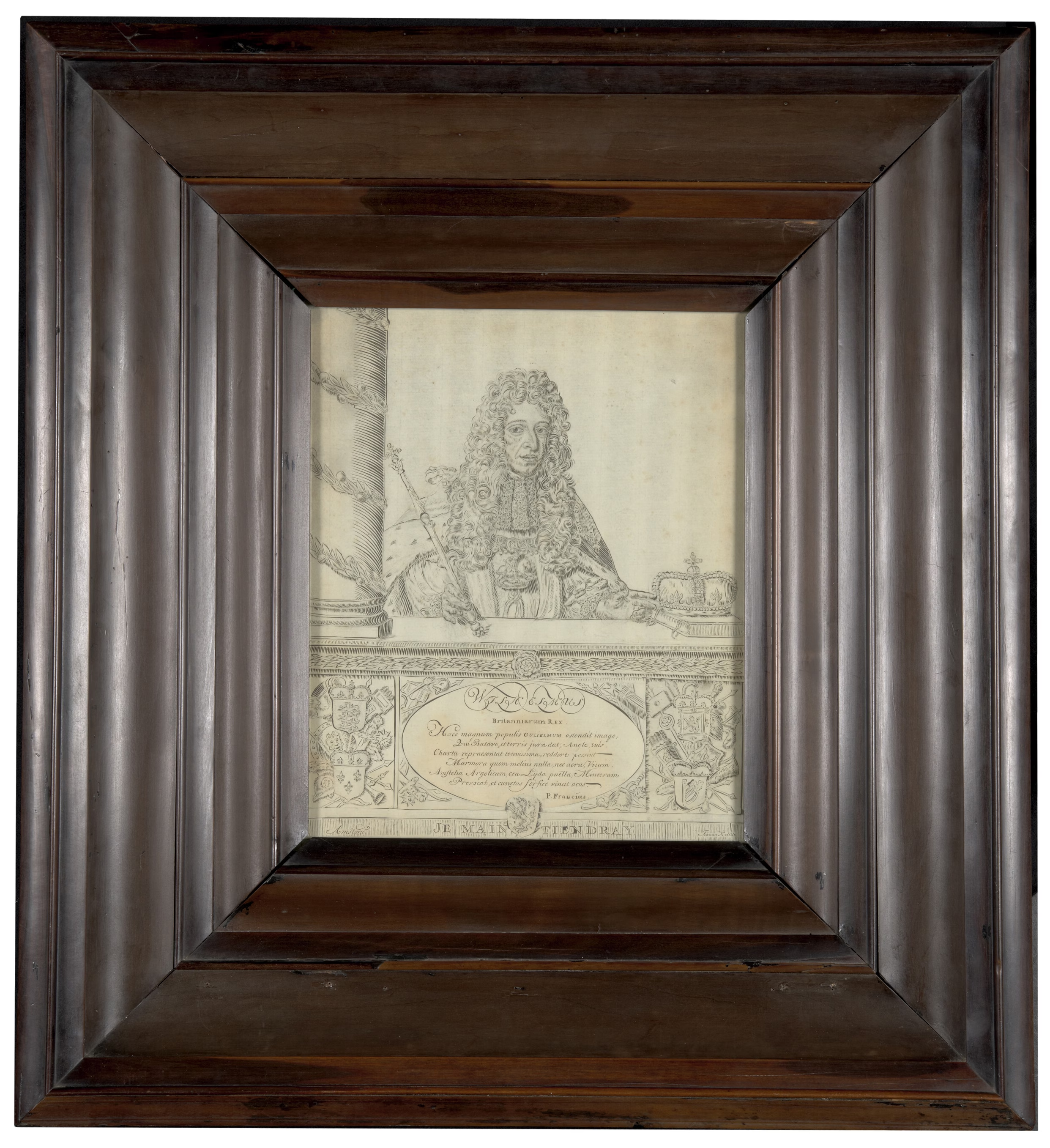
3. Joanna Koerten
Joanna Koerten (1650 to 1715) explored various techniques but is perhaps best known for her remarkable paper cuttings. From afar, these works resemble drawings or prints. Close up, viewers discover that every compositional line is actually a minute incision. For good reason Koerten was called “Scissors Minerva,” referring to the Roman goddess of craft.
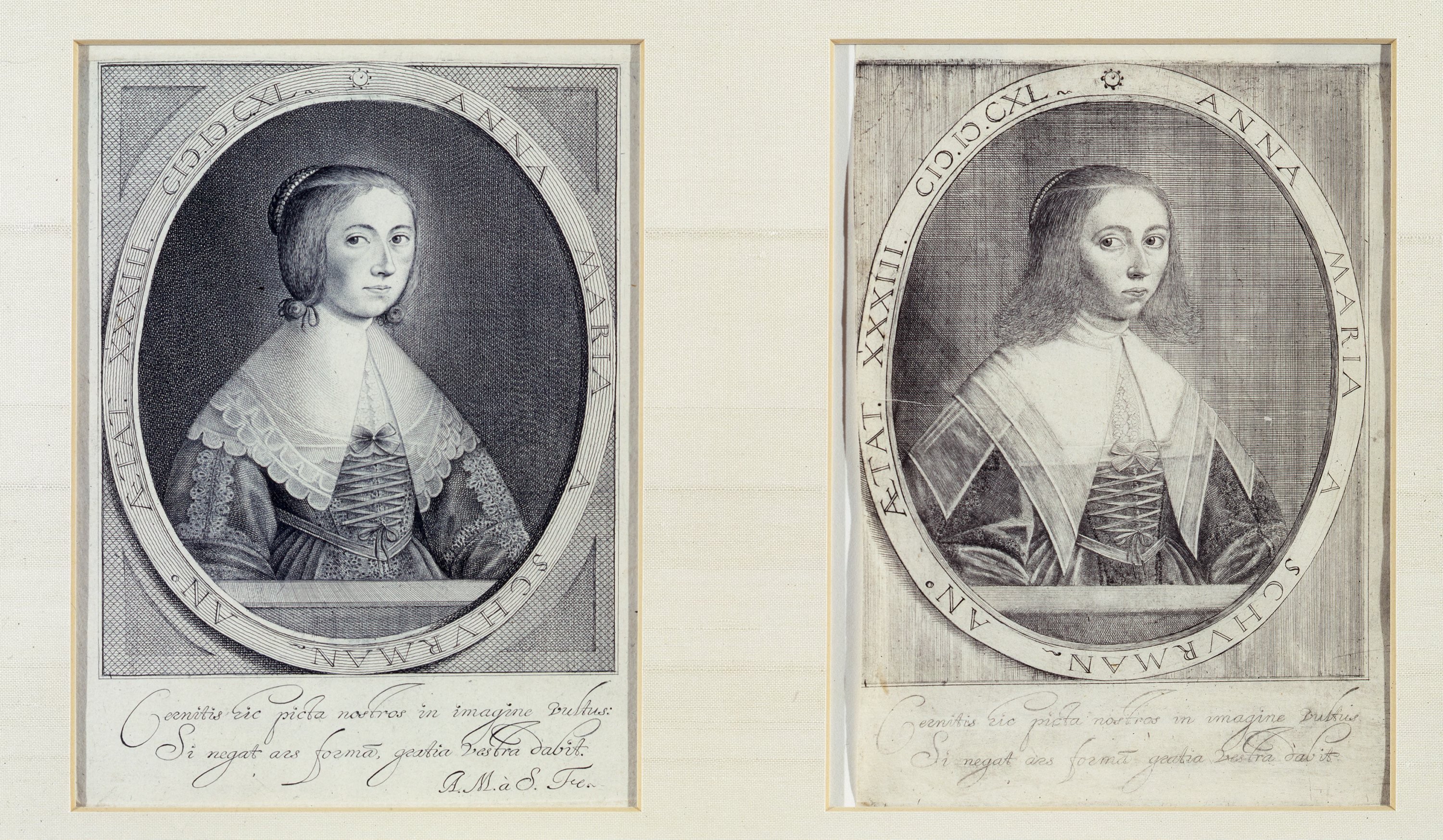
4. Anna Maria van Schurman
Multitalented artist Anna Maria van Schurman (1607 to 1678) also advocated for women’s education. She became the Dutch Republic’s first “coed”—attending university lectures concealed by a curtain lest her presence perturb male students. Three centuries later, Judy Chicago (b. 1939) gave this trailblazer a seat at the table in The Dinner Party (1974 to 1979).
5. Alida Withoos
Alida Withoos (1660/62 to 1730) painted dramatic, dynamic still lifes in the Italian style of sottobosco (“forest floor” or “undergrowth”). A fusion of fact and fiction, Withoos’s works depict realistic flora and fauna thriving in imagined settings. Similarly inspired, contemporary artist Maggie Foskett (1919 to 2014) foraged and arranged natural elements in her images.