

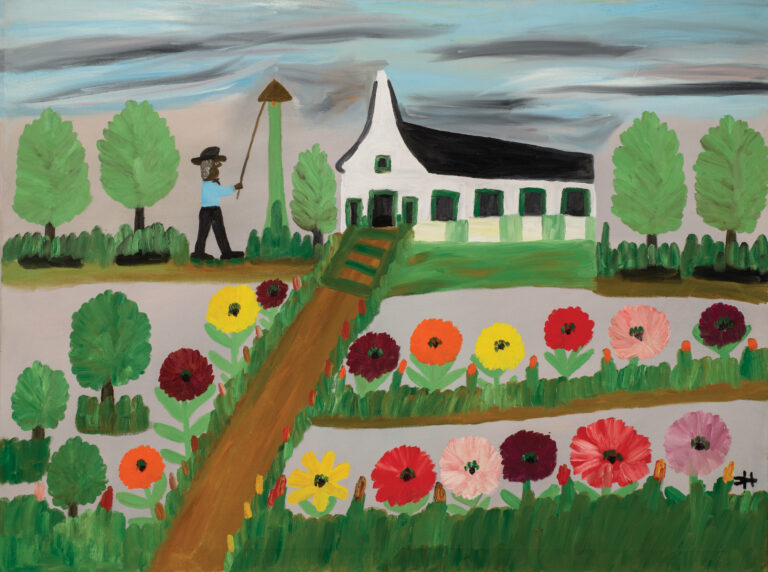
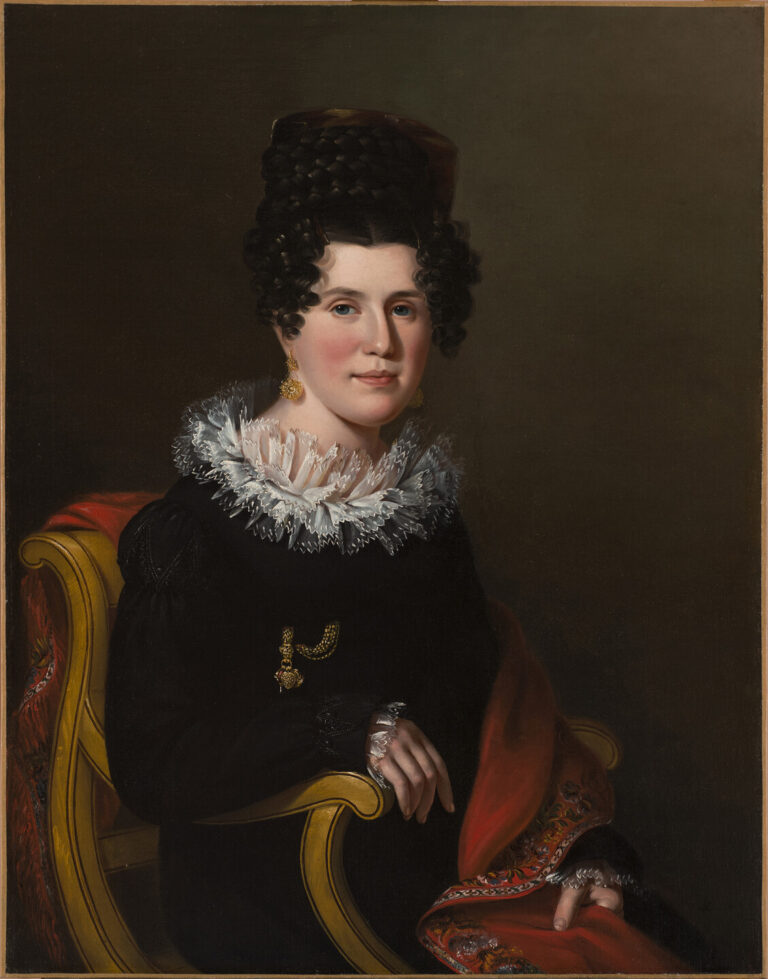
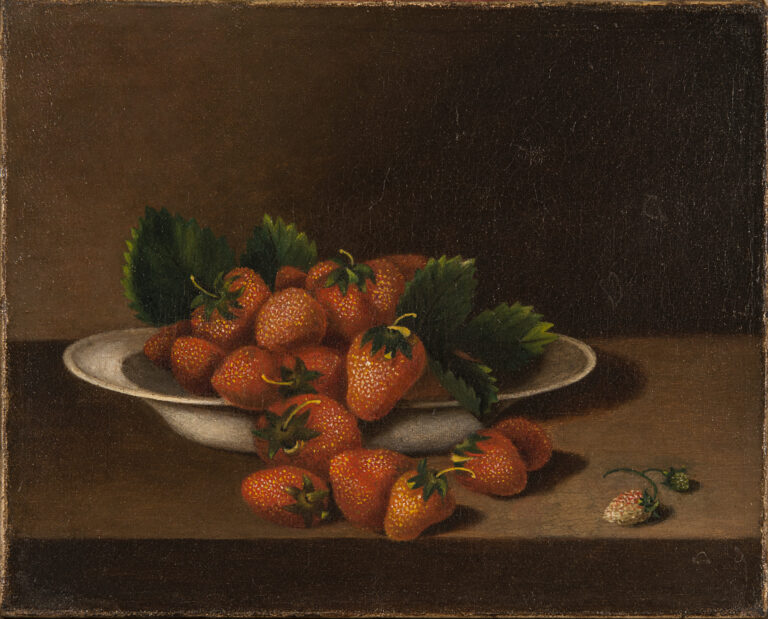
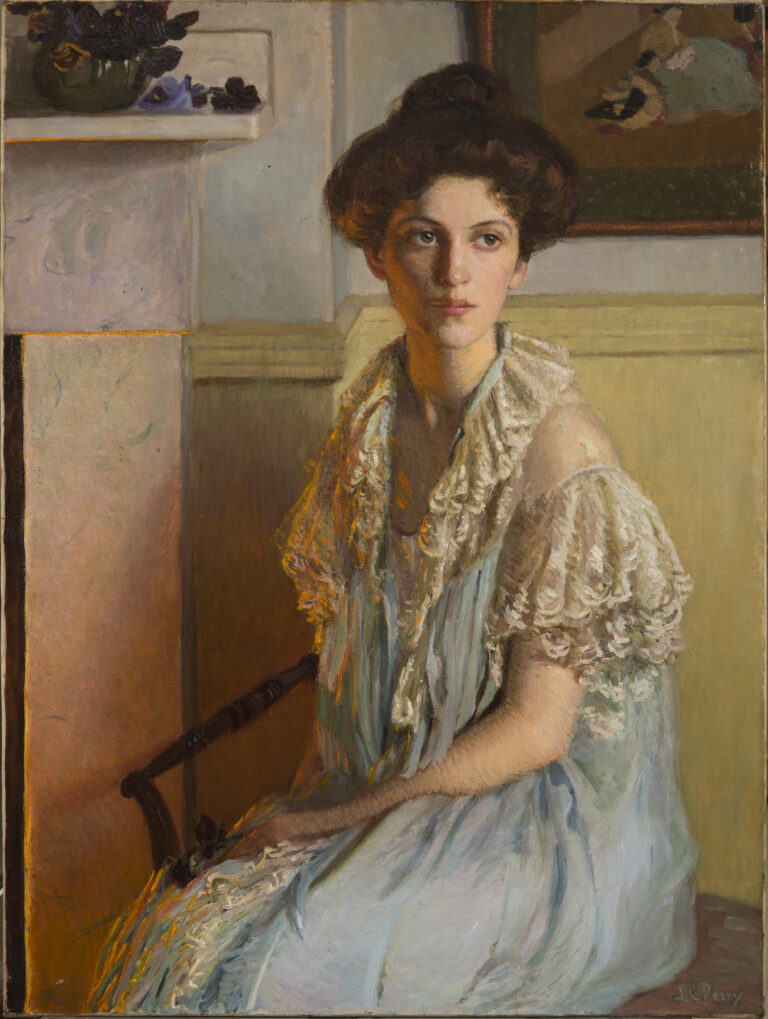
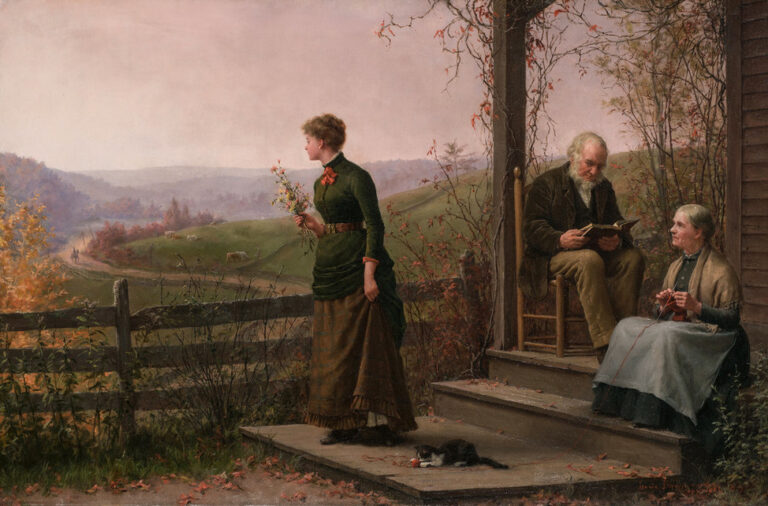
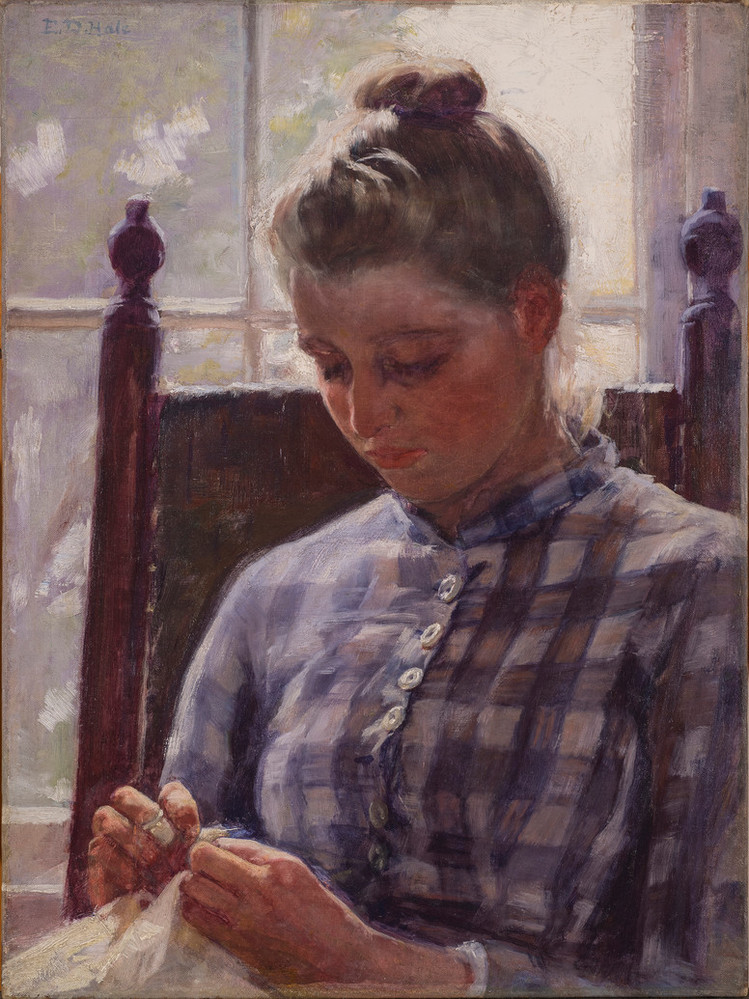
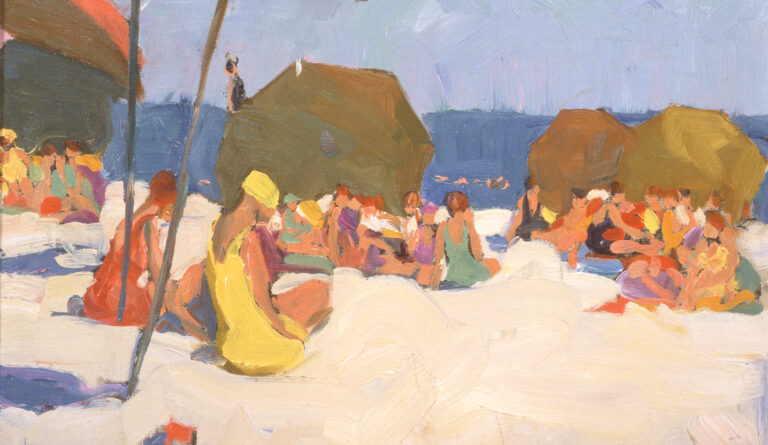
From April to October 2026, the National Museum of Women in the Arts (NMWA) will present a selection of historical works by American women artists to coincide with the 250th anniversary of the United States of America. Under the title Ms. Americana, the installation will feature 10 still life paintings, portraits, and landscapes spanning the 18th to 20th centuries by nine American women artists: Jennie Augusta Brownscombe, Cecilia Beaux, Ellen Day Hale, Clementine Hunter, Lilla Cabot Perry, Sarah Miriam Peale, Anna Claypoole Peale, Jane Peterson, and Lilly Martin Spencer. These women pursued their own independence and personal enlightenment. They traveled the world, ran their own businesses, and actively engaged politicians and heads of state.
The selection is drawn from the museum’s international collection of artwork by women and nonbinary artists from across time, mediums, and backgrounds. On view in the Great Hall, the installation is an extension of the museum’s thematically organized collection galleries. The presentation also complements the museum’s month-long series of programs celebrating Women’s History Month, which kicks off on Sunday, March 1, and includes talks, workshops, and opportunities for advocacy around gender equity in the arts.
Museum programming coinciding with America’s 250th anniversary will continue with an exhibition of Pueblo pottery from the American Southwest, drawn from the museum’s collection, on view from May 8 through September 27, 2026. A schedule of diverse solo exhibitions by additional American artists are on view throughout the year, featuring the works of Ruth Orkin, Tawny Chatmon, Shirley Gorelick, Marlo Pasqual, and others. This fall, the museum will present Routed West: Twentieth-Century African American Quilts in California, on view September 18, 2026, to January 17, 2027.
Learn more about the artists featured in Ms. Americana:
- In addition to being an acclaimed painter, designer, etcher, commercial artist, and illustrator, Jennie Augusta Brownscombe (1850 to 1936) was a founding member, student, and teacher at the influential Art Students League of New York.
- In 1933, first lady Eleanor Roosevelt presented Cecilia Beaux (1855 to 1942) with the Chi Omega fraternity’s gold medal, honoring her as “the American woman who had made the greatest contribution to the culture of the world.”
- Ellen Day Hale (1855 to 1940) came from a family of notable figures, from her great-great-uncle, Revolutionary War hero Nathan Hale, to her great-aunt, abolitionist author Harriet Beecher Stowe. She was known for Impressionist-style landscapes, religious murals and figure studies.
- Self-taught artist Clementine Hunter (1886 or 1887 to 1988) earned critical acclaim for her prolific output. She created thousands of vibrant paintings, though she only began painting in her late 50s. Hunter labored on the Melrose plantation in central Louisiana, and most of her works chronicle her memories and experiences of daily life, such as harvests, baptisms, and funerals.
- Over the course of her career, Impressionist and Expressionist painter Jane Peterson (1876 to 1965) gained widespread recognition, presenting her work in more than 80 solo exhibitions.
- Lilla Cabot Perry (1848 to 1933), who successfully advocated to raise the profile of Impressionist art in the U.S., exhibited her works at the Paris Salon and the 1893 World’s Columbian Exposition in Chicago. She also earned medals for her paintings at important exhibitions in Boston, St. Louis, and San Francisco.
- Sisters Sarah Miriam Peale (1800 to 1885) and Anna Claypoole Peale (1791 to 1878) became the first two female members of the Pennsylvania Academy of Fine Arts.
- Lilly Martin Spencer (1822 to 1902), best known for paintings of family and domestic life in the mid-19th century, exhibited her work in Europe and America, including at the Women’s Pavilion of the 1876 Philadelphia Centennial Exhibition. She was also the principal breadwinner of her family; she gave birth to 13 children, seven of whom survived to adulthood.
Since its opening in 1987, NMWA has been steadfast in its commitment to celebrating women artists for their important contributions to art and culture. Recognizing women in the story of America, from cultural expression to global influence, remains central to our mission.